

High-Risk Foods: Foods More Likely to Cause Foodborne Illness
Any food can become contaminated with harmful bacteria, viruses, parasites, or other substances. However, some foods are more likely to cause foodborne illness because they may be eaten raw or undercooked, require careful handling, or provide conditions where harmful bacteria can grow.
Knowing which foods require extra care can help you reduce your risk of food poisoning.

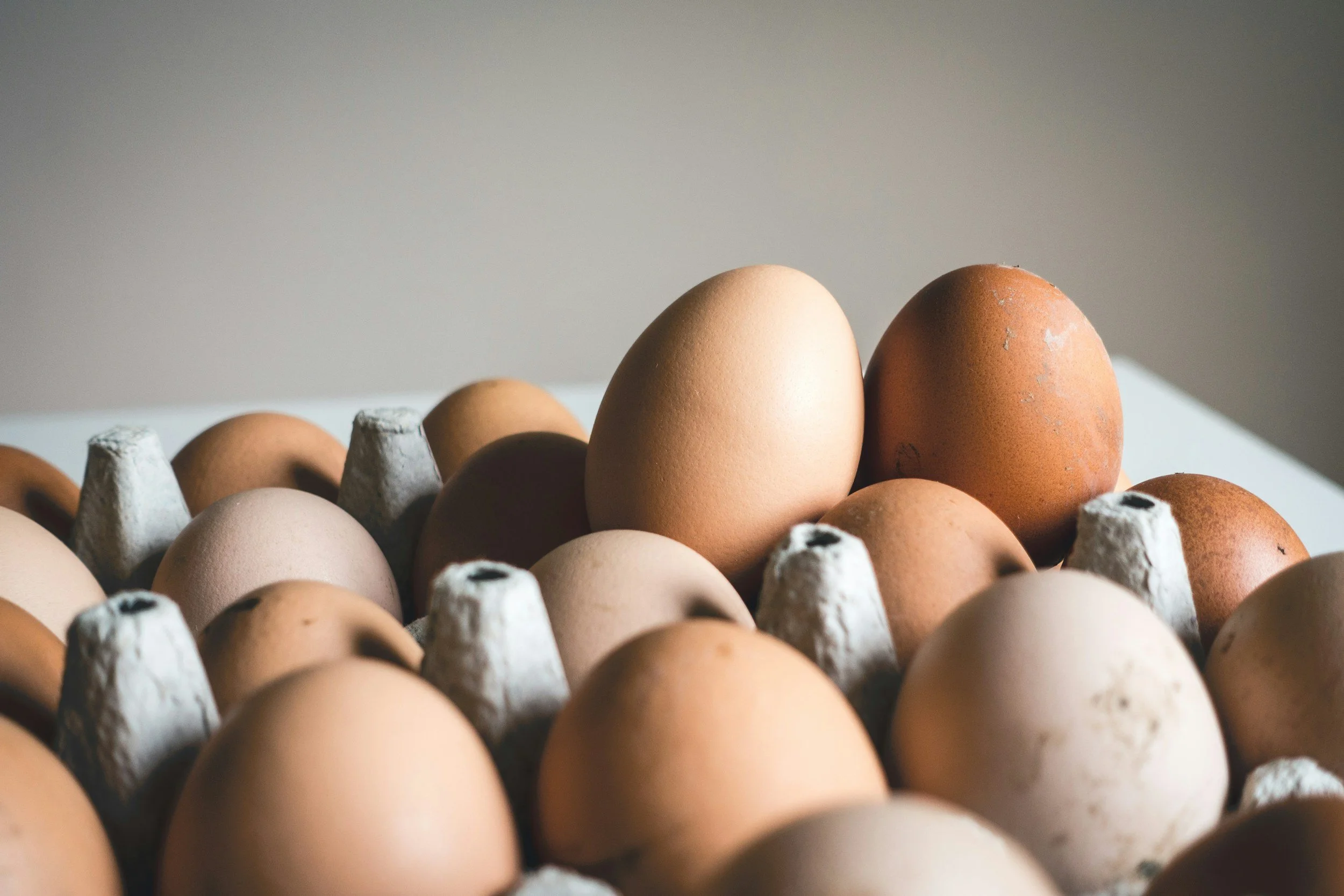
Raw or Undercooked Eggs
Raw and undercooked eggs can contain Salmonella, a type of bacteria that can cause foodborne illness.
To reduce your risk:
Cook eggs until the yolk and white are firm.
Avoid eating raw cookie dough or cake batter containing raw eggs.
Use pasteurized eggs or egg products for recipes that call for raw or lightly cooked eggs.
Keep eggs refrigerated and store them in their original carton.
Avoid using cracked eggs.
Some people are more likely to develop serious illness from Salmonella, including young children, older adults, pregnant people, and people with weakened immune systems.
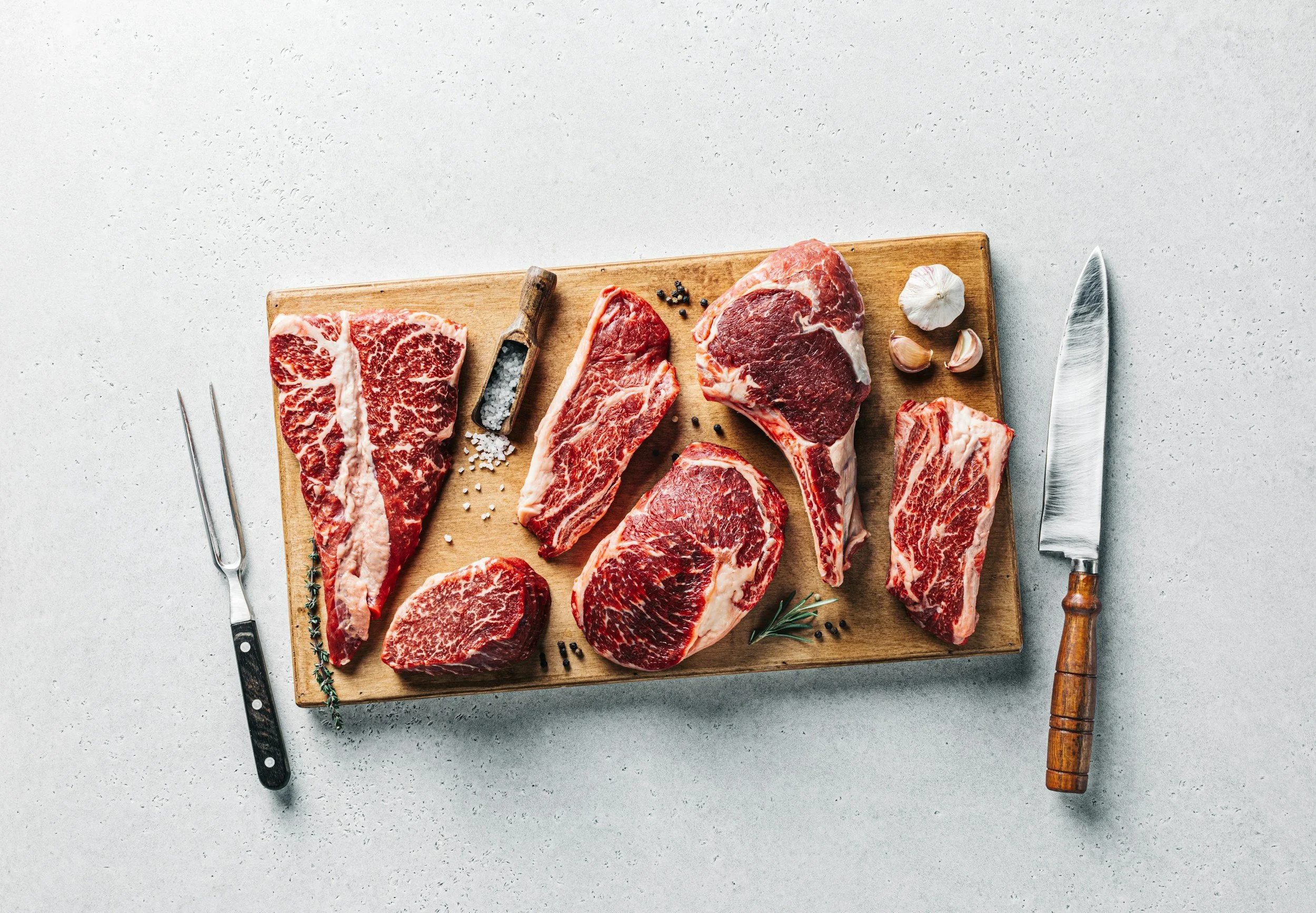
Meat and Poultry
Raw and undercooked meat and poultry can contain harmful bacteria such as Salmonella, Campylobacter, and E. coli.
To keep meat and poultry safe:
Cook foods to a safe internal temperature.
Use a food thermometer to check the thickest part of the food.
Keep raw meat and poultry separate from ready-to-eat foods.
Wash your hands and clean surfaces after handling raw meat or poultry.
Refrigerate or freeze meat and poultry promptly.
See our Safe Cooking Temperatures page for recommended internal temperatures for different foods.
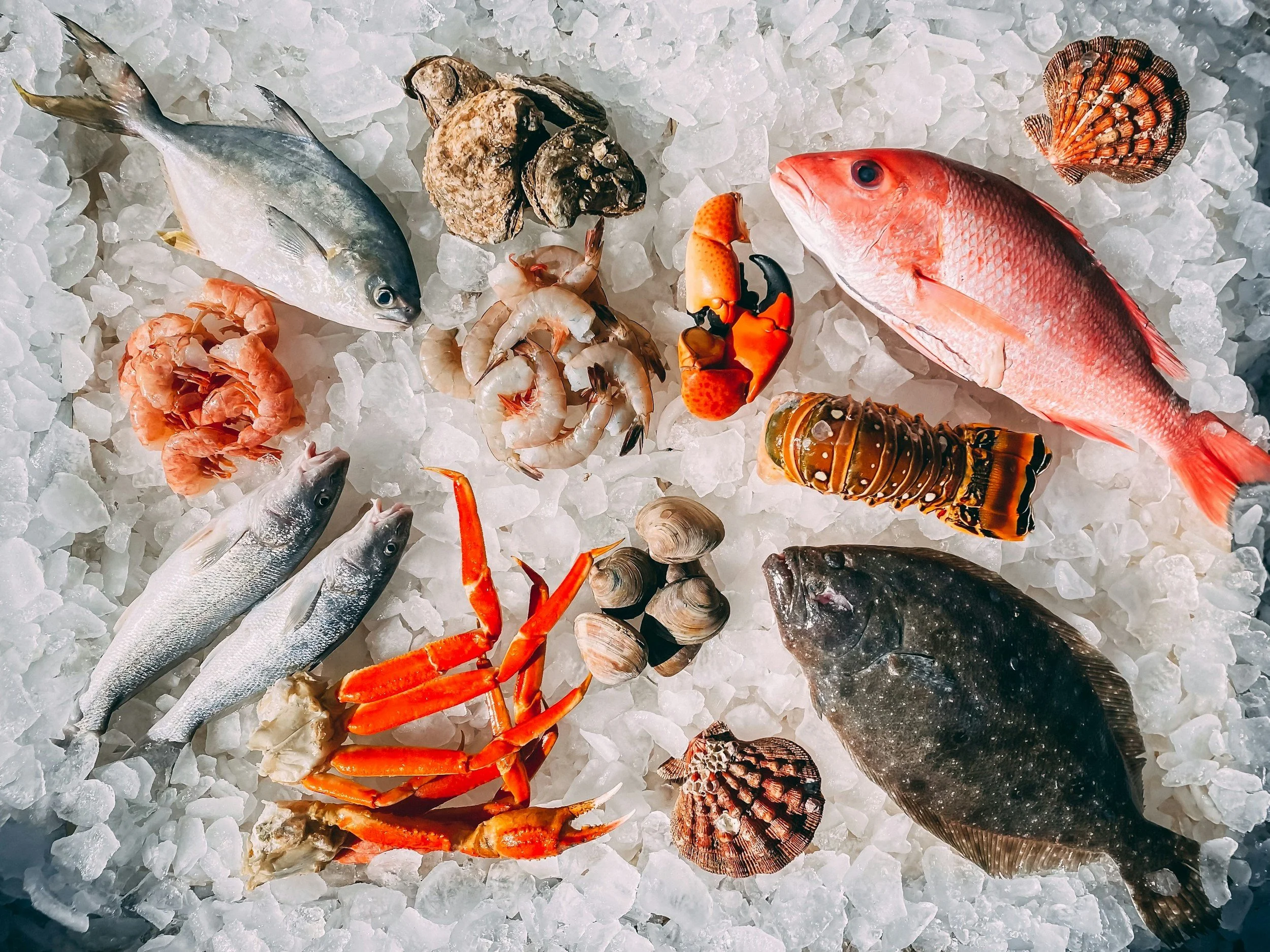
Fish and Seafood
Raw or undercooked fish and seafood can contain harmful bacteria, viruses, or parasites. Certain fish can also contain contaminants that may be harmful when consumed too often.
To reduce your risk:
Cook fish and seafood thoroughly.
Avoid eating raw or undercooked seafood unless you understand the risks.
Follow local fish consumption advisories when eating fish caught from lakes and rivers.
Follow recommendations for preparing and storing seafood.

Eating Fish Caught in Michigan
Fish can be a healthy part of a balanced diet, but the type and amount of fish that is safe to eat can vary depending on where the fish was caught and what species it is.
The Michigan Department of Health and Human Services Eat Safe Fish program provides location- and species-specific recommendations for fish caught in Michigan.
Visit the Michigan Eat Safe Fish program for current guidance on which fish to eat, how often to eat them, and which fish to avoid.

Unpasteurized Milk and Dairy Products
Unpasteurized, or raw, milk has not been heated through pasteurization to kill harmful germs. Raw milk and products made from it can contain bacteria such as E. coli, Salmonella, and Listeria.
Raw milk can be especially dangerous for young children, pregnant people, older adults, and people with weakened immune systems.
Choose pasteurized milk and dairy products to reduce the risk of foodborne illness.
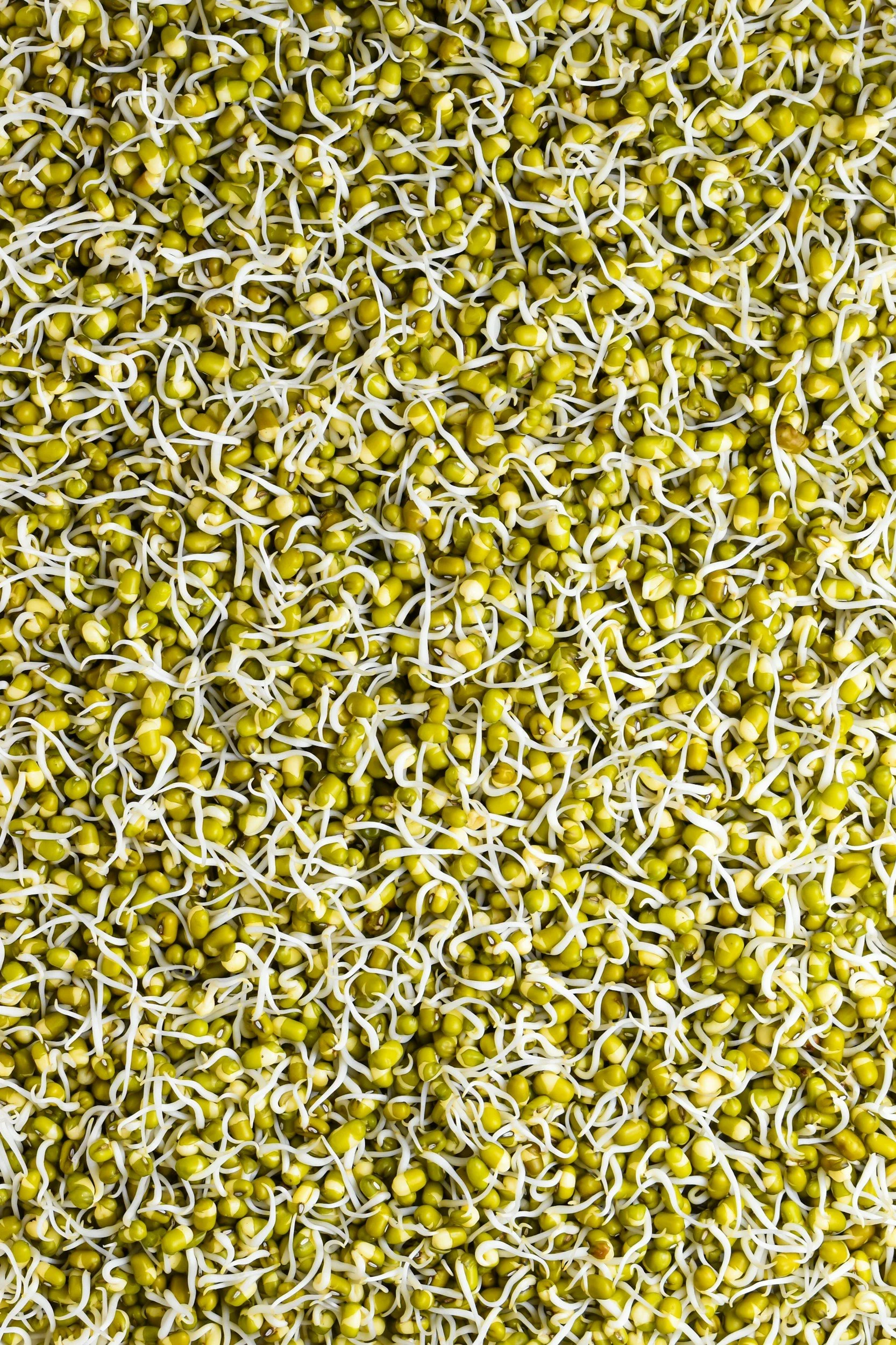
Raw Sprouts
Raw and lightly cooked sprouts can be a source of foodborne illness because bacteria can grow easily in the warm, humid conditions used to grow them.
Sprouts have been associated with outbreaks caused by bacteria such as Salmonella and E. coli.
Children, older adults, pregnant people, and people with weakened immune systems should take extra precautions and may want to avoid raw or lightly cooked sprouts.
Cooking sprouts thoroughly can reduce the risk of illness.
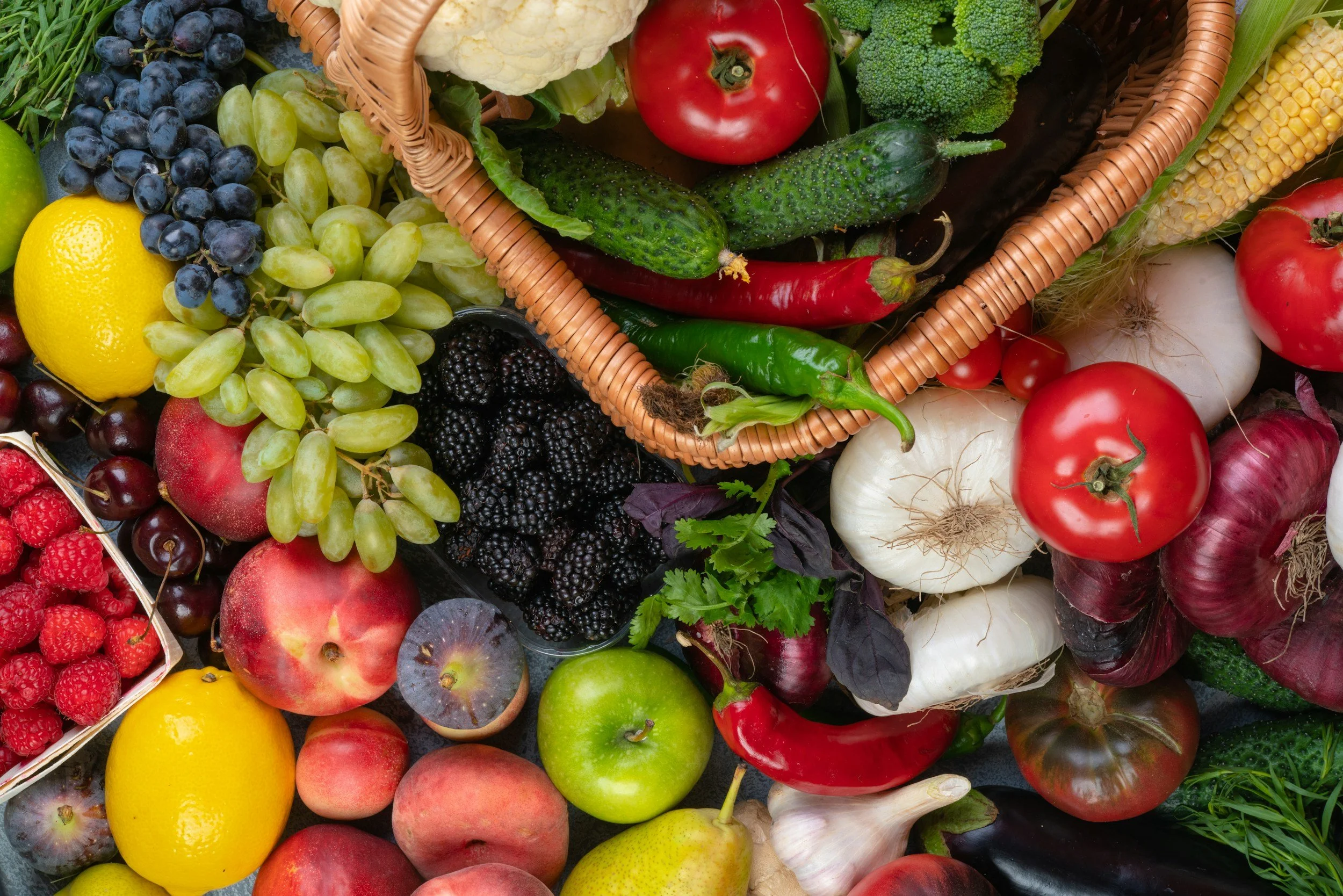
Fresh Fruits and Vegetables
Fresh produce can become contaminated with harmful germs at any point from growing and harvesting to transportation, preparation, and serving.
To help keep produce safe:
Wash your hands before preparing food.
Rinse fruits and vegetables under running water before eating or cutting them.
Scrub firm produce when appropriate.
Keep produce separate from raw meat, poultry, and seafood.
Refrigerate cut or peeled fruits and vegetables promptly.
Washing produce can reduce contamination, but it does not remove every harmful germ.
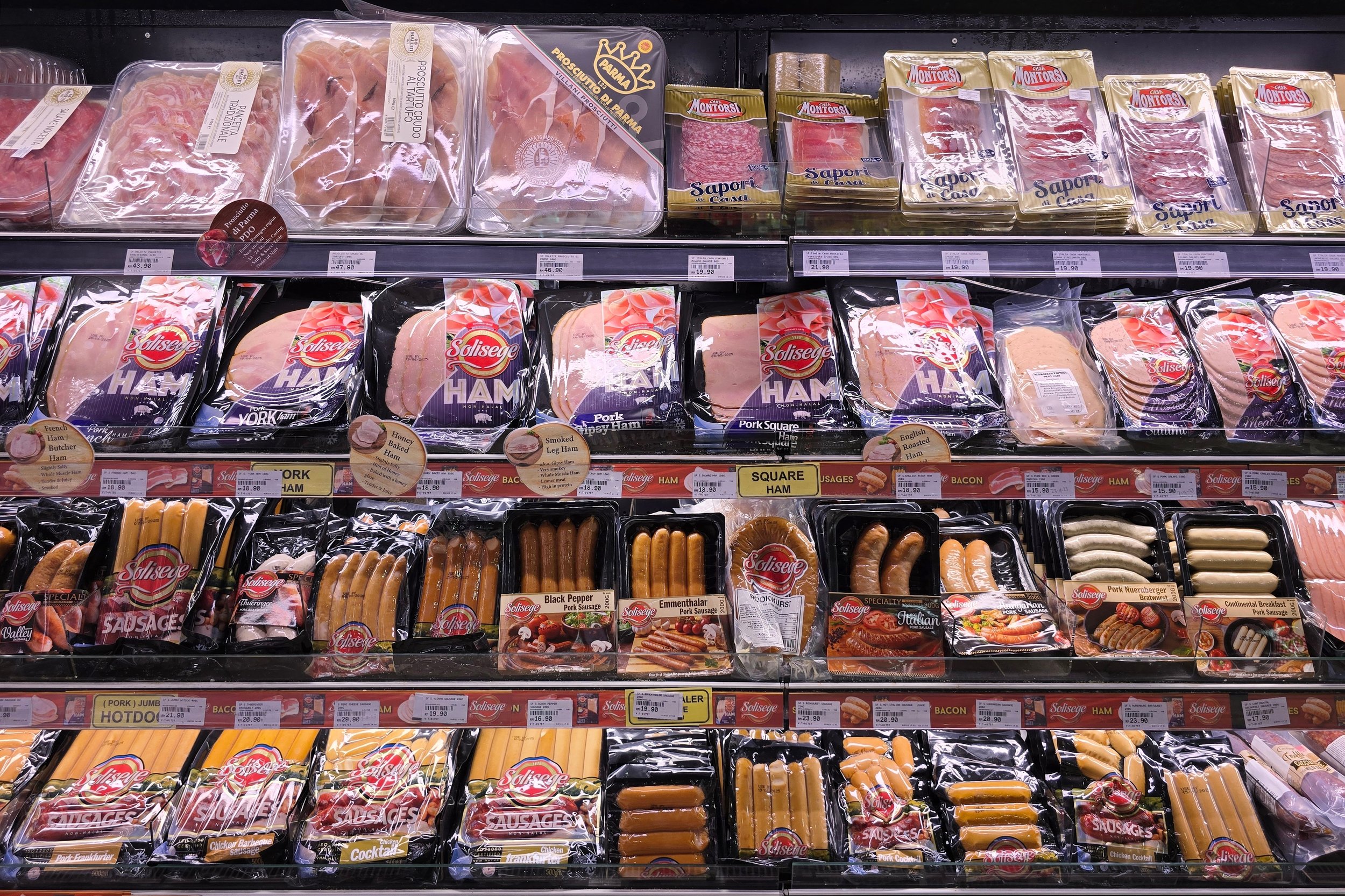
Deli Meats and Ready-to-Eat Refrigerated Foods
Deli meats, hot dogs, refrigerated pâté, and other ready-to-eat refrigerated foods can sometimes become contaminated with Listeria, a bacteria that can grow even when foods are kept refrigerated.
Pregnant people, older adults, and people with weakened immune systems are at greater risk for serious Listeria infections.
Follow food storage instructions carefully and pay attention to expiration and storage dates. People at higher risk for serious illness should follow additional food safety recommendations for deli meats and other ready-to-eat foods.

How to Make High-Risk Foods Safer
You don't necessarily need to avoid every food on this list. Safe food handling and preparation can greatly reduce the risk of foodborne illness.
Remember the four basic steps of food safety:
Clean: Wash your hands and clean food preparation surfaces.
Separate: Keep raw meat, poultry, seafood, and eggs away from ready-to-eat foods.
Cook: Use a food thermometer and cook foods to safe internal temperatures.
Chill: Refrigerate perishable foods promptly and keep your refrigerator at 40°F or below.
Learn more about these practices on our Food Safety and Preventing Food Poisoning and Safe Food Storage pages.

When to Call Poison Control
If you believe you or someone in your family ate contaminated, spoiled, or potentially unsafe food, the Michigan Poison & Drug Information Center can help.
Foodborne illness may cause symptoms such as:
Nausea
Vomiting
Diarrhea
Stomach cramps
Fever
If you're concerned about a possible food exposure, don't wait for symptoms to become severe before asking for help.
Call the Poison Help line at 1-800-222-1222.
Poison specialists are available 24 hours a day, 7 days a week to provide guidance about possible poisonings and exposures.