

Foodborne Illness (Food Poisoning): Causes, Symptoms, and Prevention

Foodborne illness, commonly called food poisoning, occurs when someone eats or drinks something contaminated with harmful bacteria, viruses, parasites, chemicals, or natural toxins. Foodborne illnesses can range from mild stomach upset to serious illnesses requiring medical care.
Food contamination can happen at any point during the food process — from growing and harvesting, to processing and preparation, to storage and handling in your own kitchen. Following safe food handling practices can help reduce the risk of foodborne illness.
What Causes Foodborne Illness?
Foodborne illnesses are most often caused by:
Bacteria
Bacteria are one of the most common causes of food poisoning. Some bacteria can grow in food and produce toxins that make people sick.
Examples include:
Salmonella — often associated with raw or undercooked eggs, poultry, meat, and contaminated produce.
Escherichia coli (E. coli) — can be found in undercooked ground beef, raw produce, and unpasteurized products.
Listeria — can grow even in refrigerated foods and is commonly associated with deli meats, soft cheeses, and unpasteurized foods.
Campylobacter — often linked to raw poultry, unpasteurized milk, and contaminated water.
Viruses
Viruses can spread through contaminated food, water, or contact with an infected person.
Norovirus is one of the leading causes of foodborne illness and can spread easily through contaminated food, surfaces, and poor hand hygiene.
Parasites
Some parasites can contaminate food and water and cause illness.
Examples include:
Cyclospora
Toxoplasma
Chemicals and Natural Toxins
Food poisoning can also occur when foods contain harmful chemicals or naturally occurring toxins.
Examples include:
Improperly prepared wild mushrooms
Certain fish toxins
Food contaminated with chemicals
Toxins produced by certain bacteria

Common Symptoms of Food Poisoning
Symptoms of foodborne illness vary depending on the cause and the amount of contamination consumed. Common symptoms include:
Nausea
Vomiting
Diarrhea
Stomach cramps or abdominal pain
Fever
Headache
Weakness or fatigue
Symptoms may begin within hours after eating contaminated food or may take several days to appear. Some illnesses can cause symptoms weeks after exposure.
When Should You Seek Medical Help?
Most cases of food poisoning improve with rest and fluids. However, medical care may be needed if someone experiences:
Bloody diarrhea
Signs of dehydration (such as dizziness, very little urination, or extreme thirst)
Severe abdominal pain
A high fever
Symptoms that do not improve
Neurological symptoms such as blurred vision, weakness, confusion, or difficulty swallowing
Certain groups have a higher risk of serious complications, including:
Infants and young children
Pregnant individuals
Older adults
People with weakened immune systems
How to Prevent Foodborne Illness
Many foodborne illnesses can be prevented by practicing safe food handling habits.
Clean
Wash your hands with soap and water before, during, and after preparing food.
Clean countertops, utensils, and cutting boards regularly.
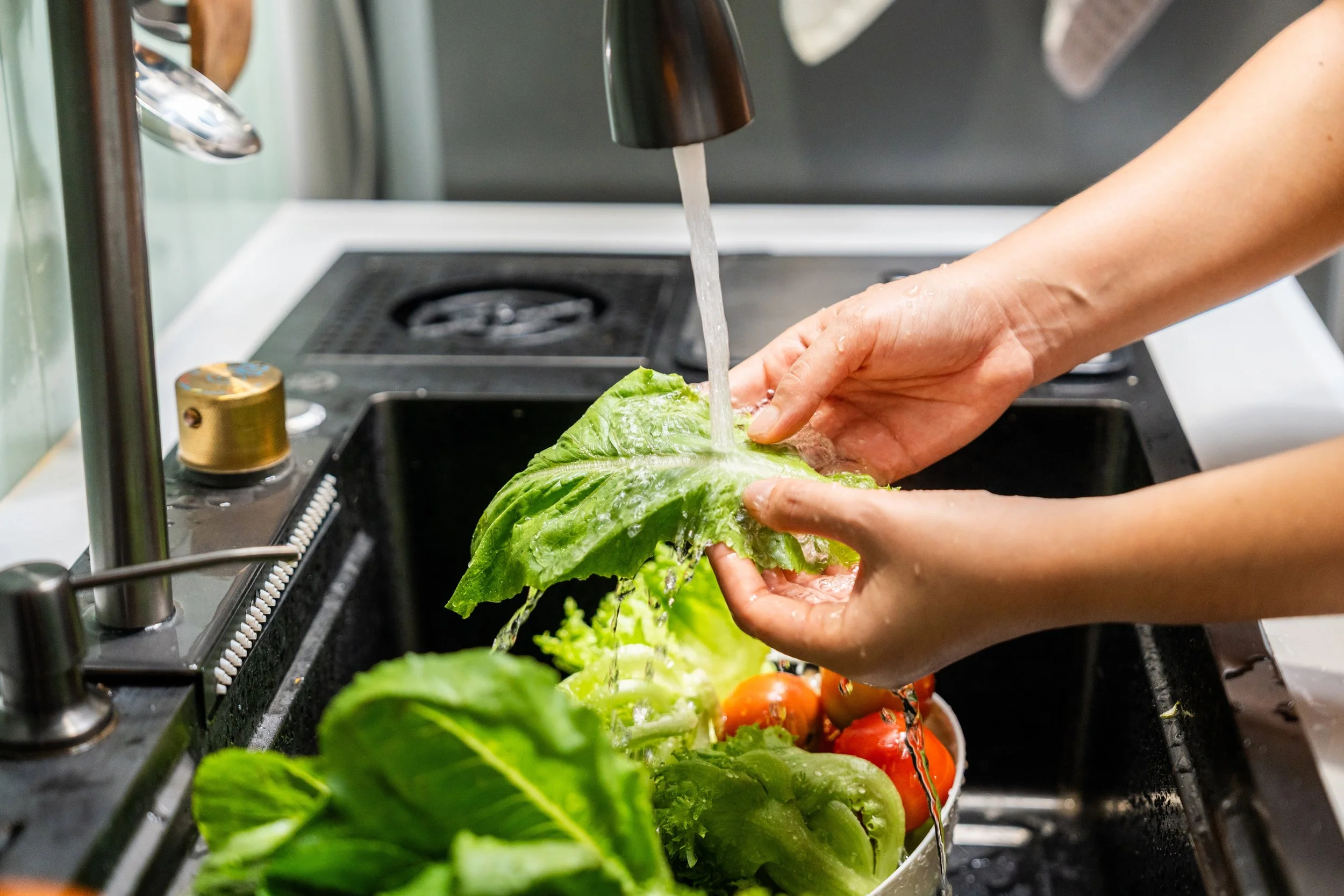
Wash fruits and vegetables before eating or preparing them.
Separate
Keep raw meat, poultry, seafood, and eggs separate from ready-to-eat foods.
Use separate cutting boards when possible.
Prevent cross-contamination by cleaning surfaces that come into contact with raw foods.
Cook
Cook foods to safe internal temperatures.
Use a food thermometer to make sure meat, poultry, seafood, and eggs are cooked properly.
Avoid eating raw or undercooked animal products.
Chill
Refrigerate perishable foods promptly.
Keep your refrigerator at 40°F or below.
Do not leave food sitting at room temperature for extended periods.
Food Safety and Poison Control
If you believe someone may have been exposed to a harmful substance through food, the Michigan Poison & Drug Information Center (MiPDC) can provide guidance 24 hours a day.
Call the Poison Help line at: 1-800-222-1222
Poison specialists can help determine what happened, what symptoms to watch for, and what steps to take next.
If you have questions about a possible food poisoning exposure, do not wait for symptoms to appear before calling. Our specialists are available anytime for expert advice.