

Handwashing for Food Safety
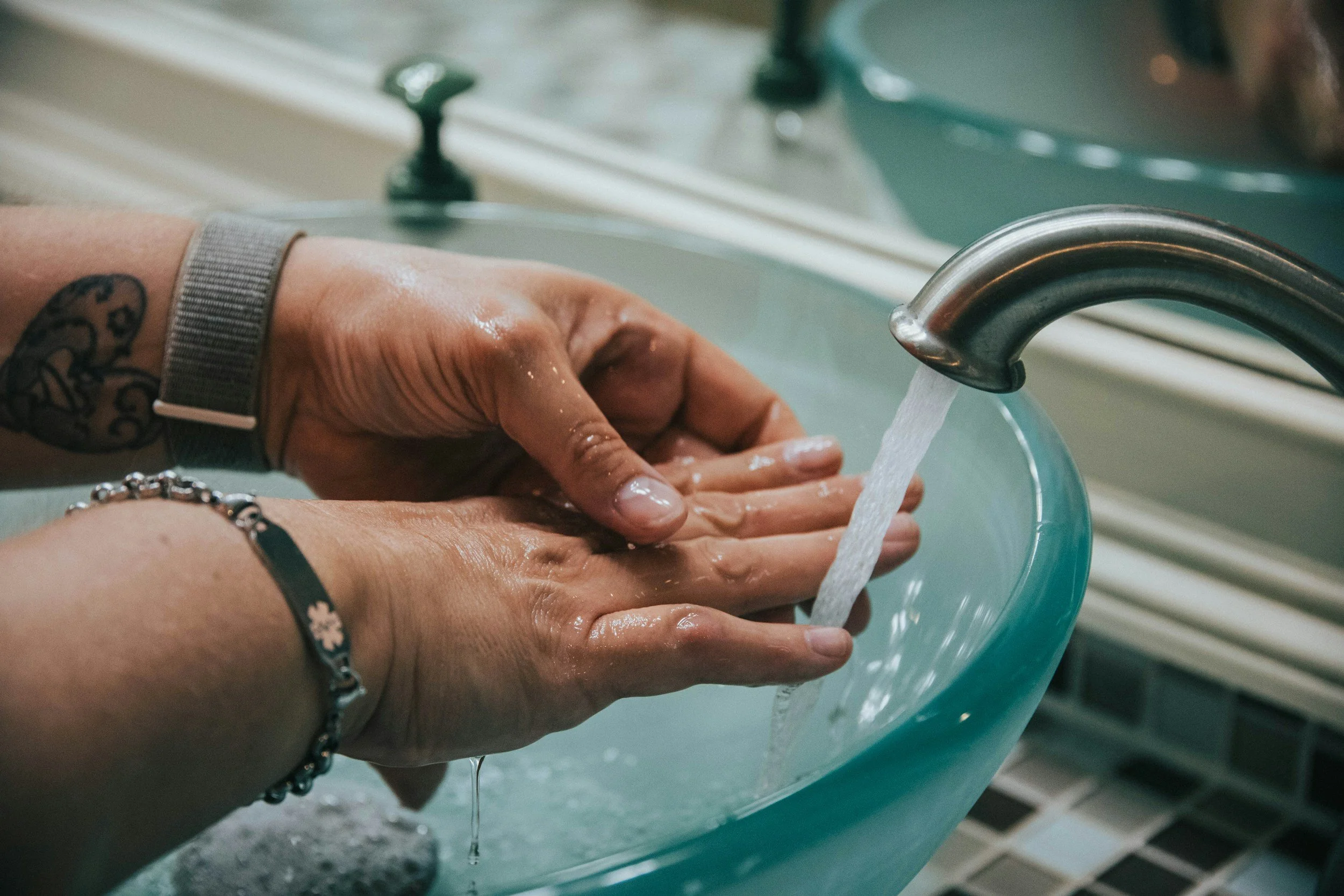
Clean Hands Help Keep Food Safe
One of the easiest and most effective ways to prevent foodborne illness is by washing your hands properly. Every day, our hands pick up germs from the surfaces we touch, the food we prepare, and even from our own bodies. Without proper handwashing, those germs can be transferred to food and make you or your family sick.
Some harmful germs, including Salmonella, E. coli, and norovirus, can spread through contaminated hands during food preparation. Proper handwashing helps stop these germs before they reach your meal.

Washing your hands for just 20 seconds can help prevent foodborne illness and keep harmful germs out of your meals.

How to Wash Your Hands Correctly
Follow these five simple steps every time:

1
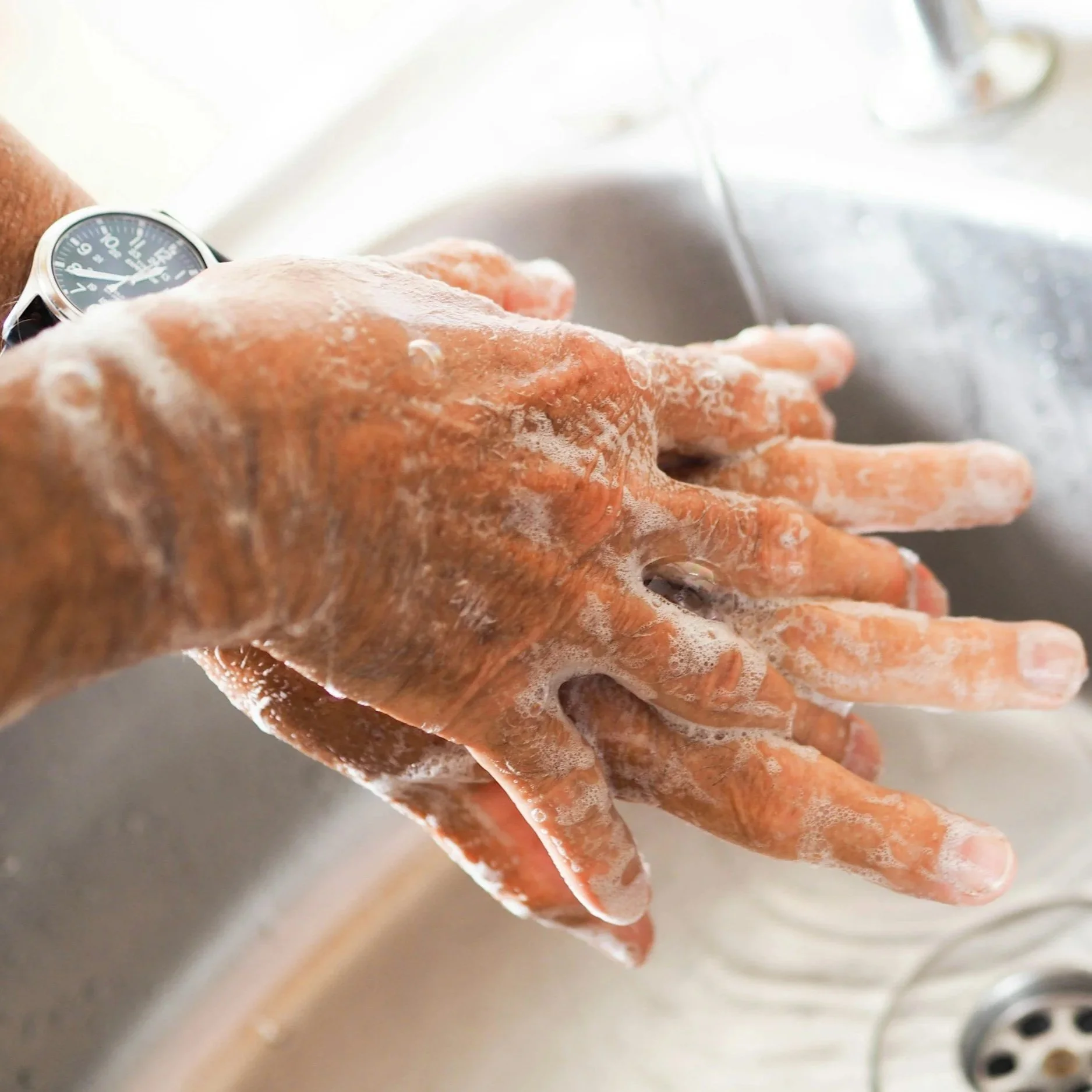
Wet your hands with clean running water.
2
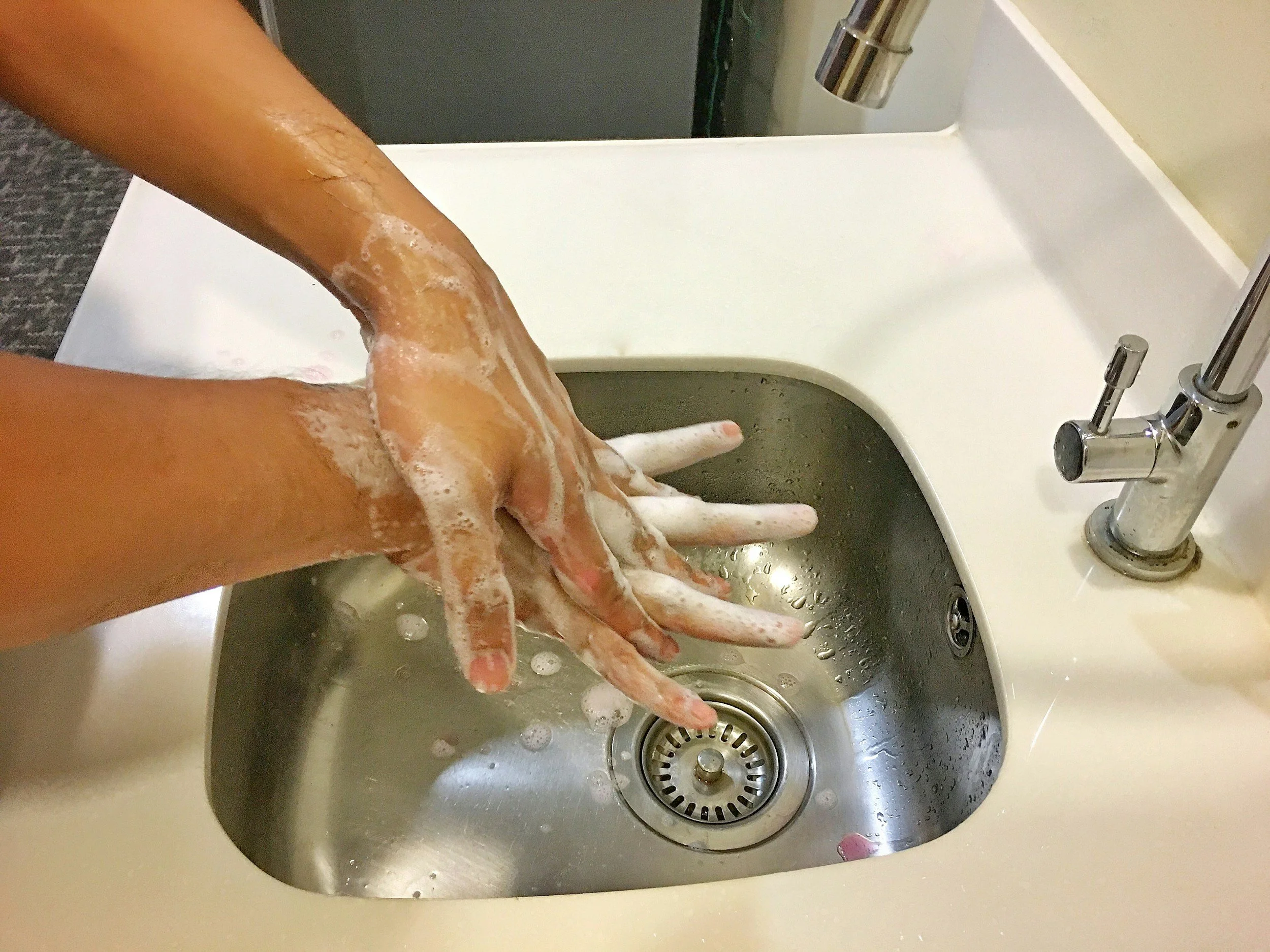
Lather with soap, covering every surface.
3
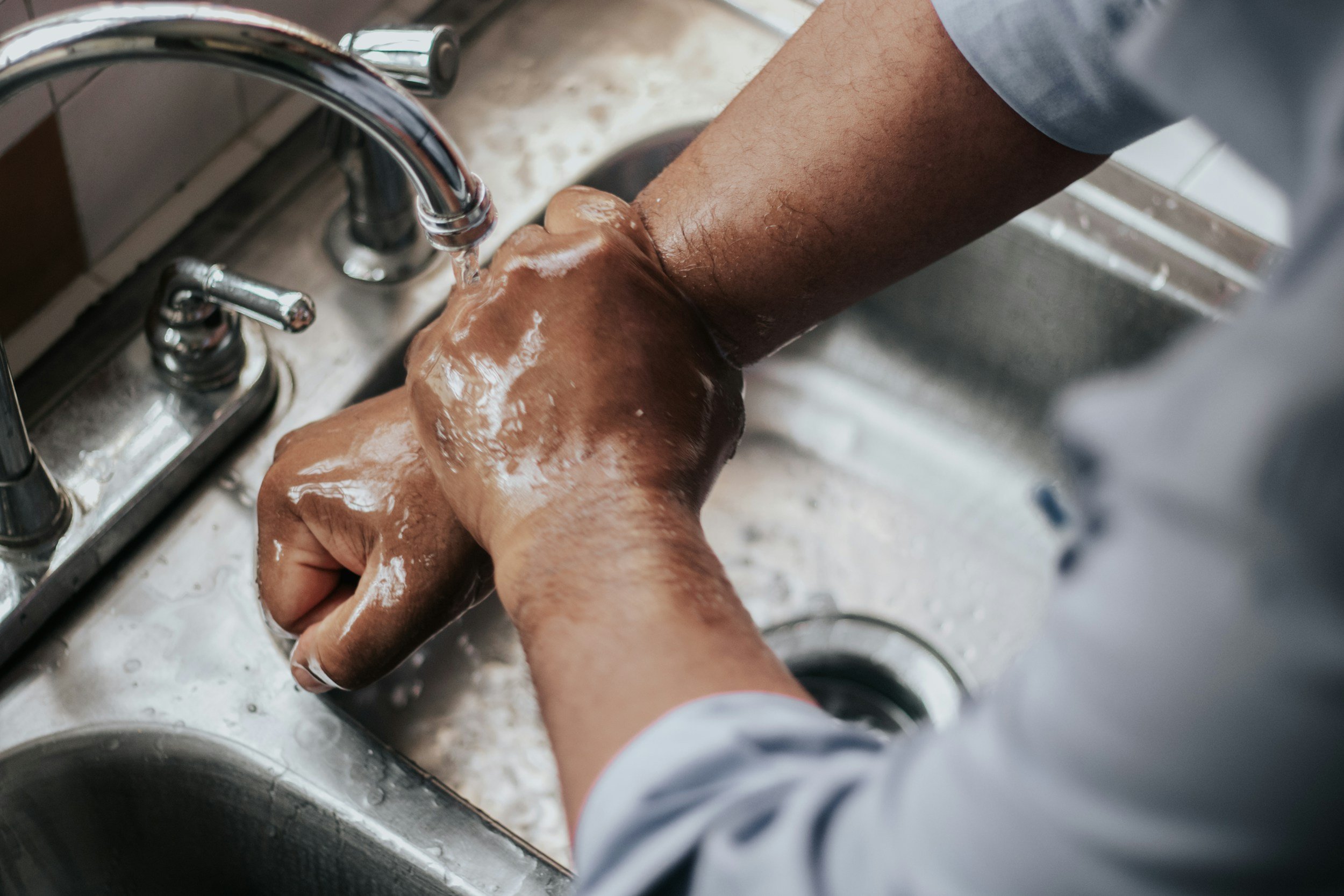
Scrub for at least 20 seconds.
4
Rinse well under running water.
5
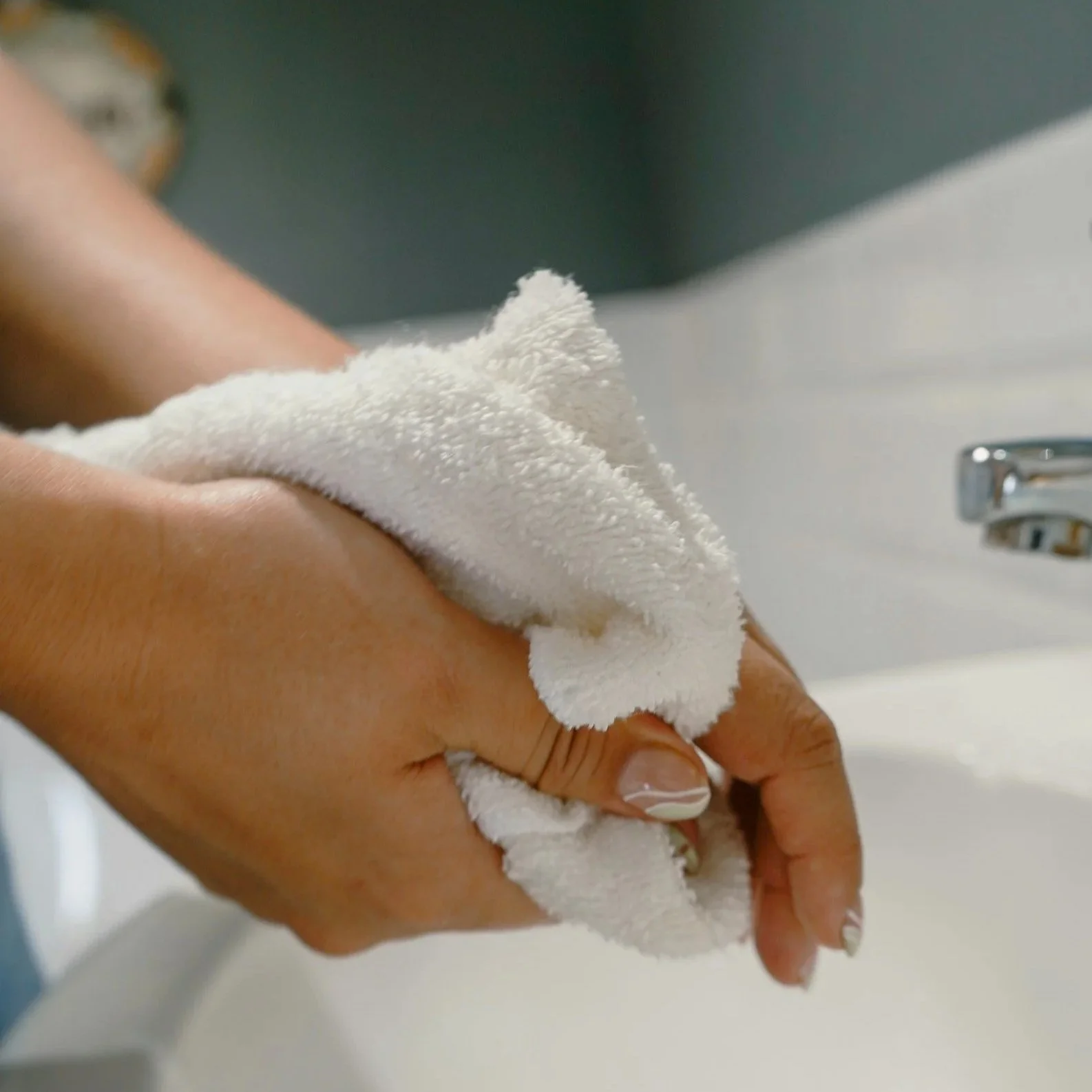
Dry with a clean towel or air dryer.
When Should You Wash Your Hands?
Preparing food
Eating
Feeding a child
✔ Wash Your Hands Before...
Handling raw meat, poultry, seafood, or eggs
Using the restroom
Sneezing, coughing, or blowing your nose
Touching pets
Taking out the trash
✔ Wash Your Hands After...


Did You Know?
Proper handwashing can:
⬇ Reduce diarrheal illness 23–40%
⬇ Reduce respiratory illnesses 16–21%
✔ Help prevent food poisoning

✔ Reduce the spread of harmful germs

Soap or Hand Sanitizer?
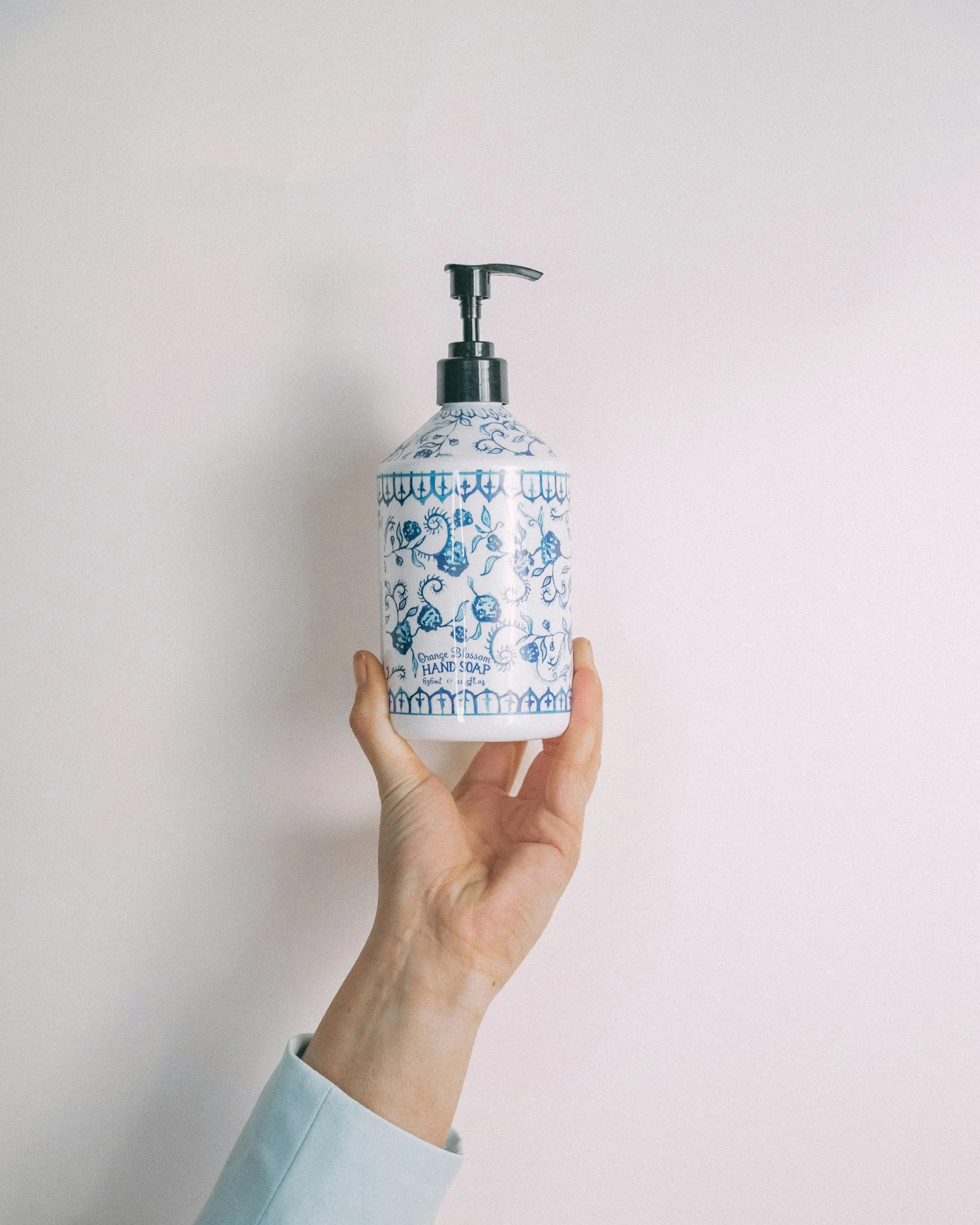
Soap & Water
Best for food preparation
Removes dirt and grease
Wash for 20 seconds
Hand Sanitizer
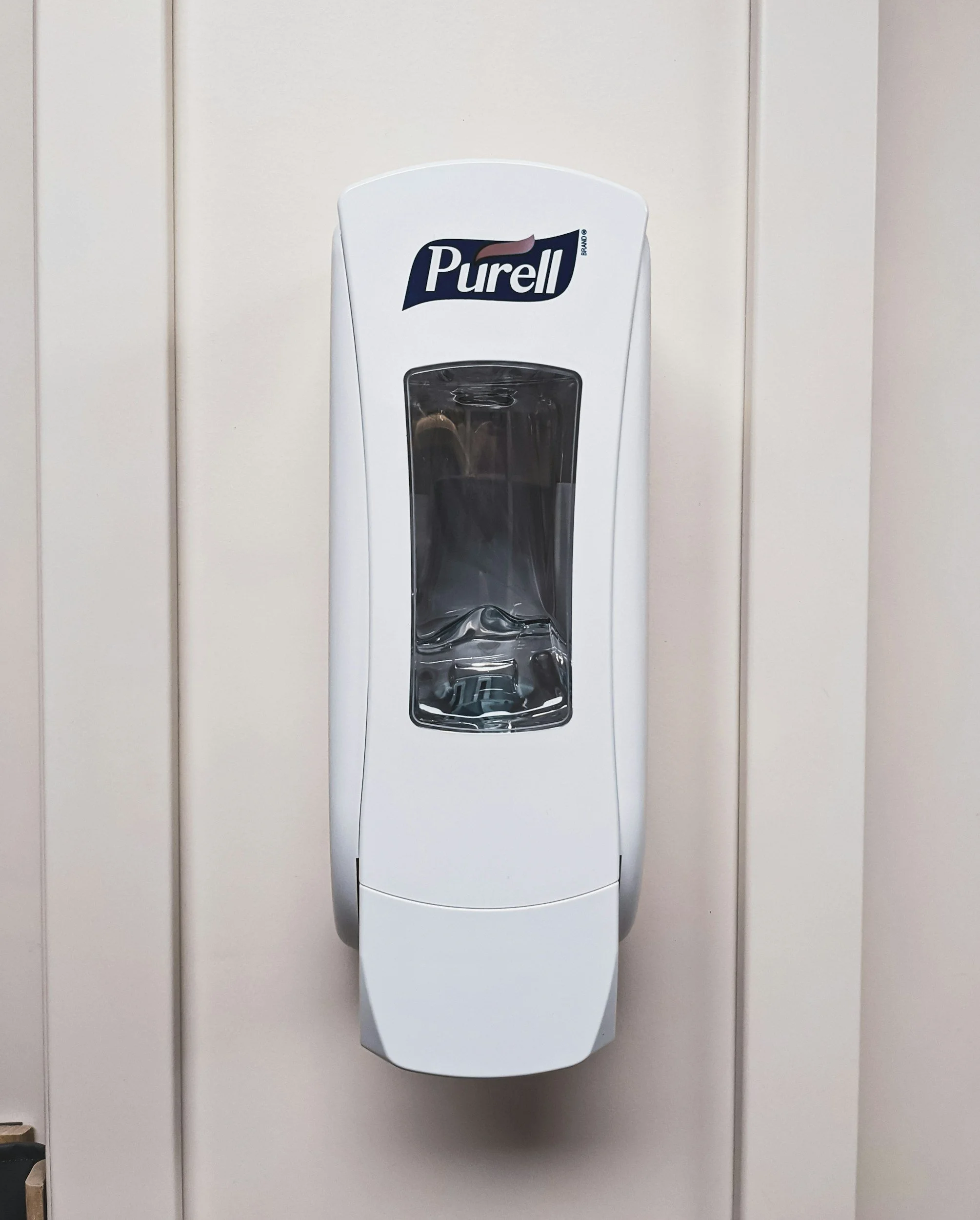
Good when soap isn't available
Doesn't remove dirt or grease
Must contain at least 60% alcohol
Which Should You Use?
When preparing food, soap and water are always the best choice.
Questions About Poisoning or Food Safety?
The Michigan Poison & Drug Information Center is available 24 hours a day, 7 days a week.
1-800-222-1222
Free • Confidential • Expert Advice
Whether you have questions about accidental poisonings, medications, household products, or food-related exposures, our experts are here to help.