
Safe Cooking Temperatures: How to Know When Food Is Done
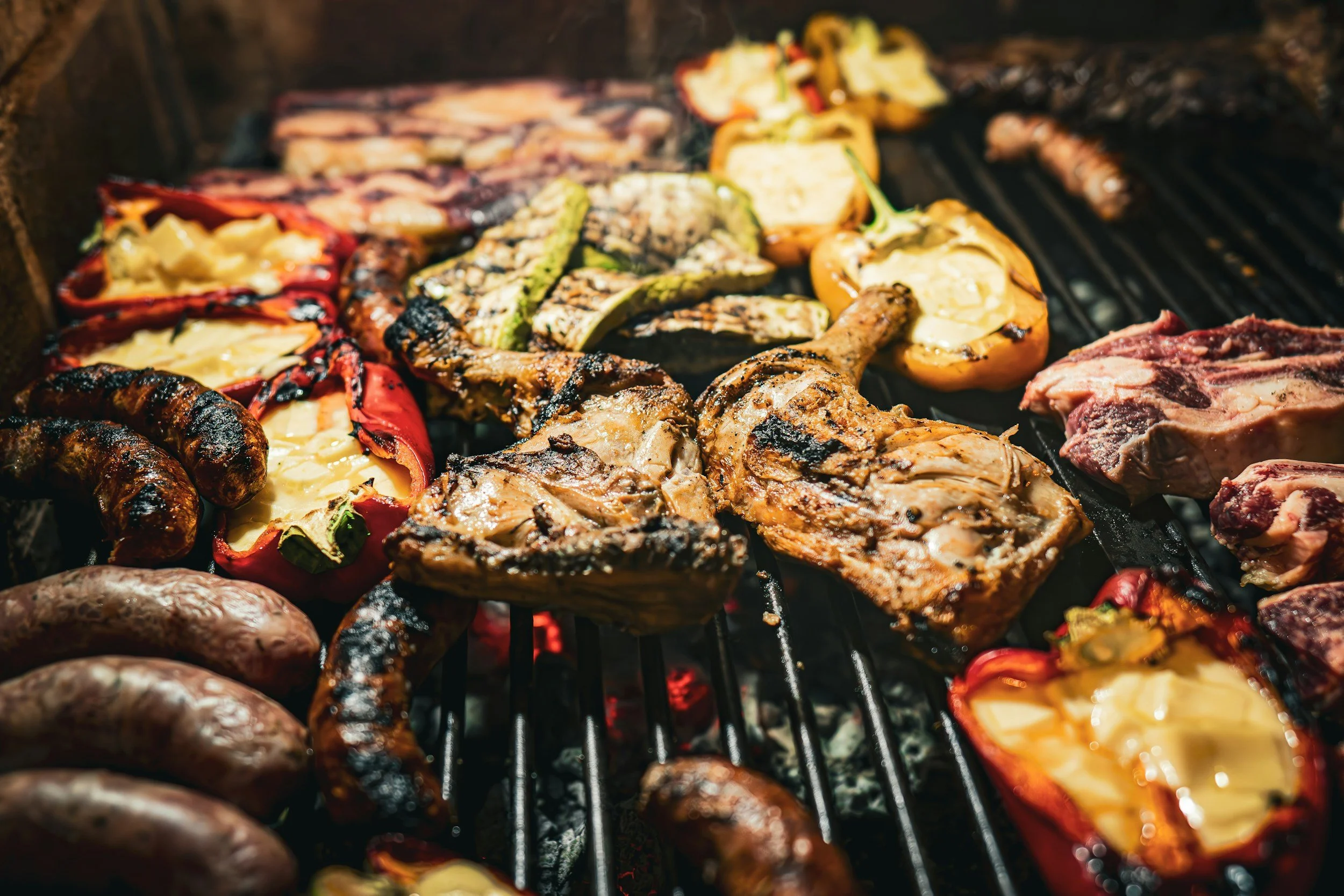
Cooking food to a safe internal temperature is one of the best ways to prevent foodborne illness. Harmful bacteria can survive in foods that are undercooked, even if the food looks, smells, or tastes normal.
Use the chart below to find the recommended safe cooking temperature for different types of meat, poultry, seafood, eggs, and leftovers. Using a food thermometer is the most reliable way to make sure food has reached a temperature that is safe to eat.
Remember:
Check the temperature in the thickest part of the food, away from bones and fat.
Clean your thermometer between uses to prevent cross-contamination.
Do not rely on color or texture alone to determine whether food is fully cooked.
Following safe cooking temperatures can help protect you and your family from foodborne illness.
Safe Minimum Internal Temperatures
as measured with a food thermometer
| Food type | Internal Temperature |
|---|---|
| Beef, Pork, Veal, and Lamb (chops, roasts, steaks) | 145°F with a 3-minute rest time |
| Ground Meat | 160°F |
| Ham, uncooked (fresh or smoked) | 145°F with a 3-minute rest time |
| Ham, fully cooked (to reheat) | 140°F |
| Poultry (ground, parts, whole, and stuffing) | 165°F |
| Eggs | Cook until yolk & white are firm |
| Egg dishes | 160°F |
| Fin fish | 145°F or flesh is opaque & separates easily with a fork |
| Shrimp, Lobster, and Crab | Flesh pearly & opaque |
| Clams, Oysters, and Mussels | Shells open during cooking |
| Scallops | Flesh is milky white or opaque and firm |
| Leftovers and Casseroles | 165°F |
Not sure if a food was cooked safely?
If you are concerned about a possible food exposure or someone becomes sick after eating undercooked food, call the Michigan Poison & Drug Information Center at 1-800-222-1222 for guidance.