
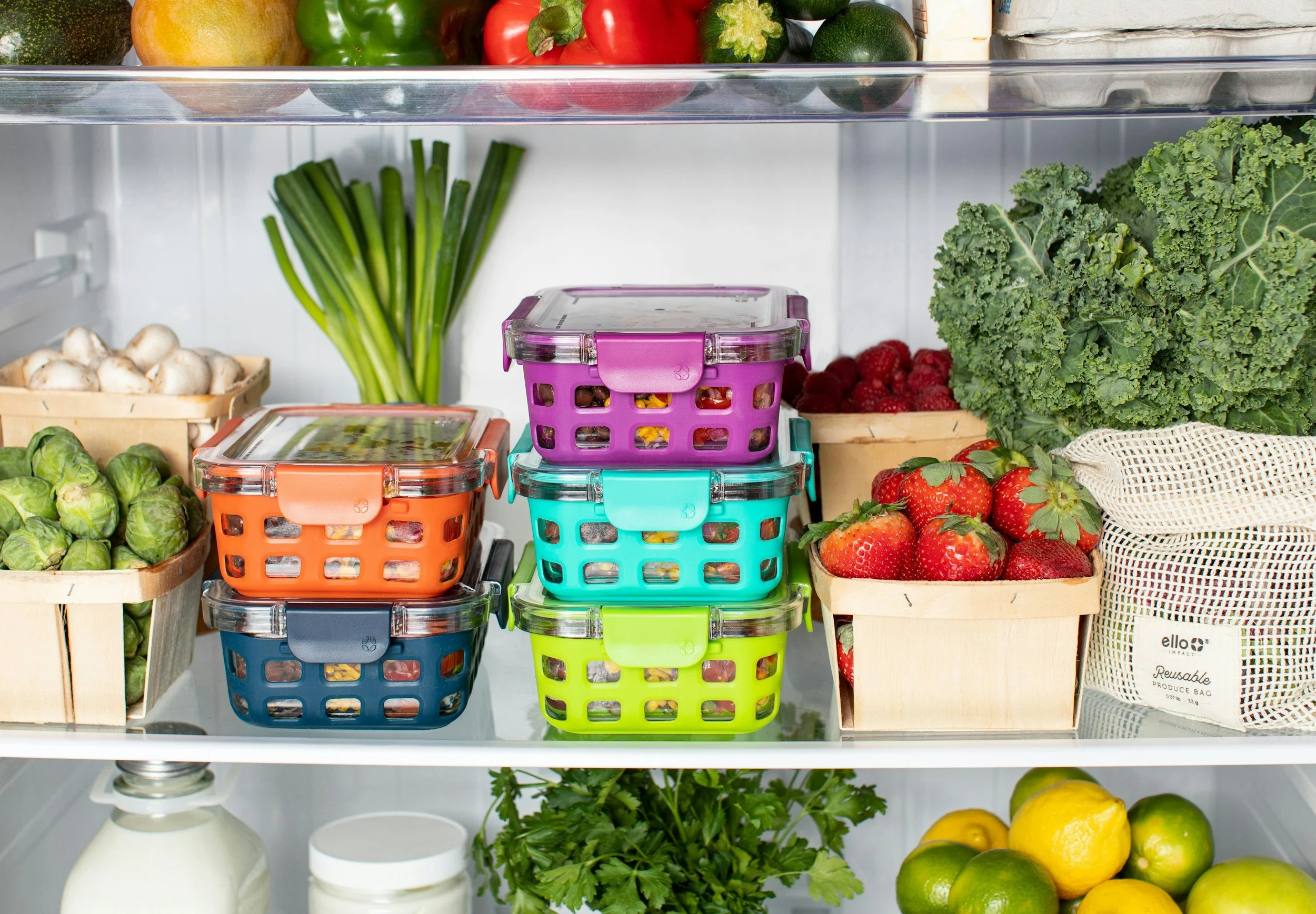
Safe Food Storage: Keep Food Fresh and Prevent Foodborne Illness
Proper food storage is an important part of preventing foodborne illness. Harmful bacteria can grow when food is stored at unsafe temperatures or left out for too long. Knowing how to properly refrigerate, freeze, and store food can help keep you and your family safe.
Use these food storage guidelines to reduce the risk of food poisoning at home.
Keep Your Refrigerator and Freezer at Safe Temperatures
Temperature plays an important role in food safety.
To help prevent bacterial growth:
Keep your refrigerator at 40°F or below
Keep your freezer at 0°F or below
Use an appliance thermometer to monitor temperatures regularly
Bacteria grow most quickly between 40°F and 140°F, often called the "danger zone." Keeping foods out of this temperature range can help reduce the risk of foodborne illness.
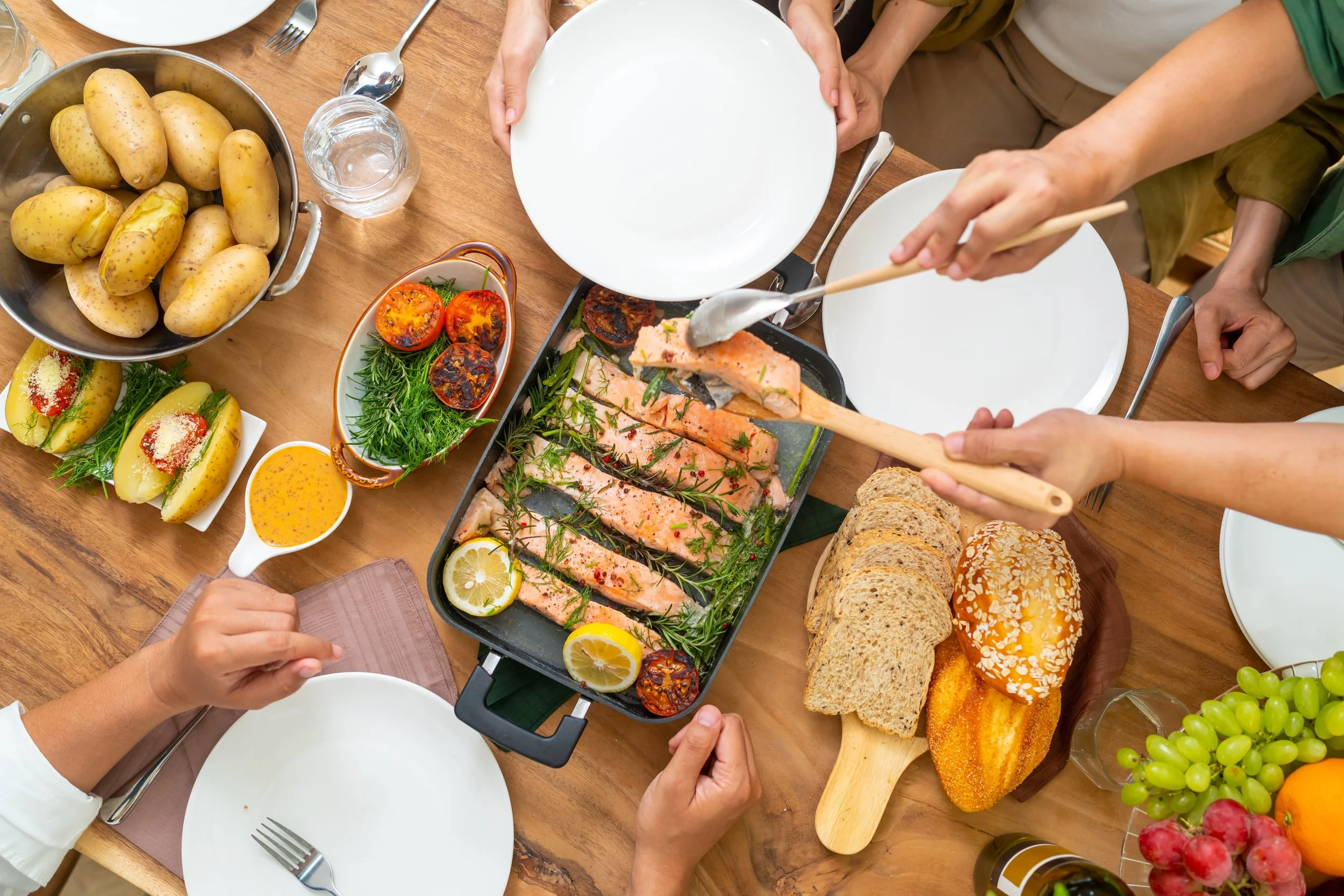
Follow the 2-Hour Rule
Perishable foods should not be left at room temperature for more than 2 hours.
This includes foods such as:
Meat
Poultry
Seafood
Eggs
Dairy products
Cooked foods and leftovers
Cut fruits and vegetables
If the temperature is 90°F or higher, such as during a summer picnic, barbecue, or tailgate, food should not be left out for more than 1 hour.
When in doubt, throw it out.

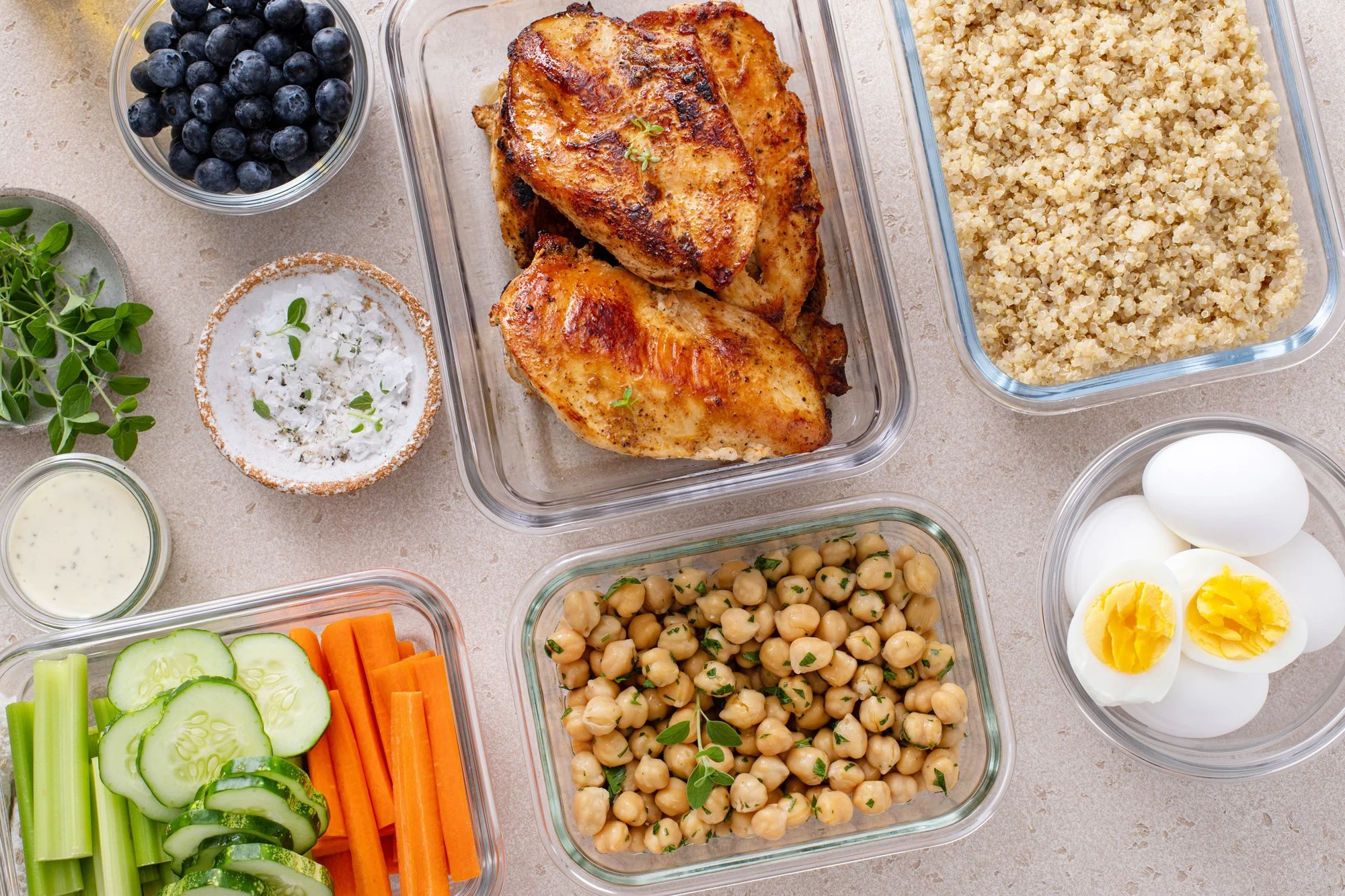
Store Leftovers Safely
Leftovers should be refrigerated within 2 hours after cooking.
Divide large portions into smaller, shallow containers so food can cool more quickly.
Most refrigerated leftovers should be eaten within 3 to 4 days.
When reheating leftovers:
Heat foods to 165°F
Reheat sauces, soups, and gravies until they reach a rolling boil
Use a food thermometer to verify the temperature
If you're unsure how long food has been in the refrigerator, it's safest to throw it away.
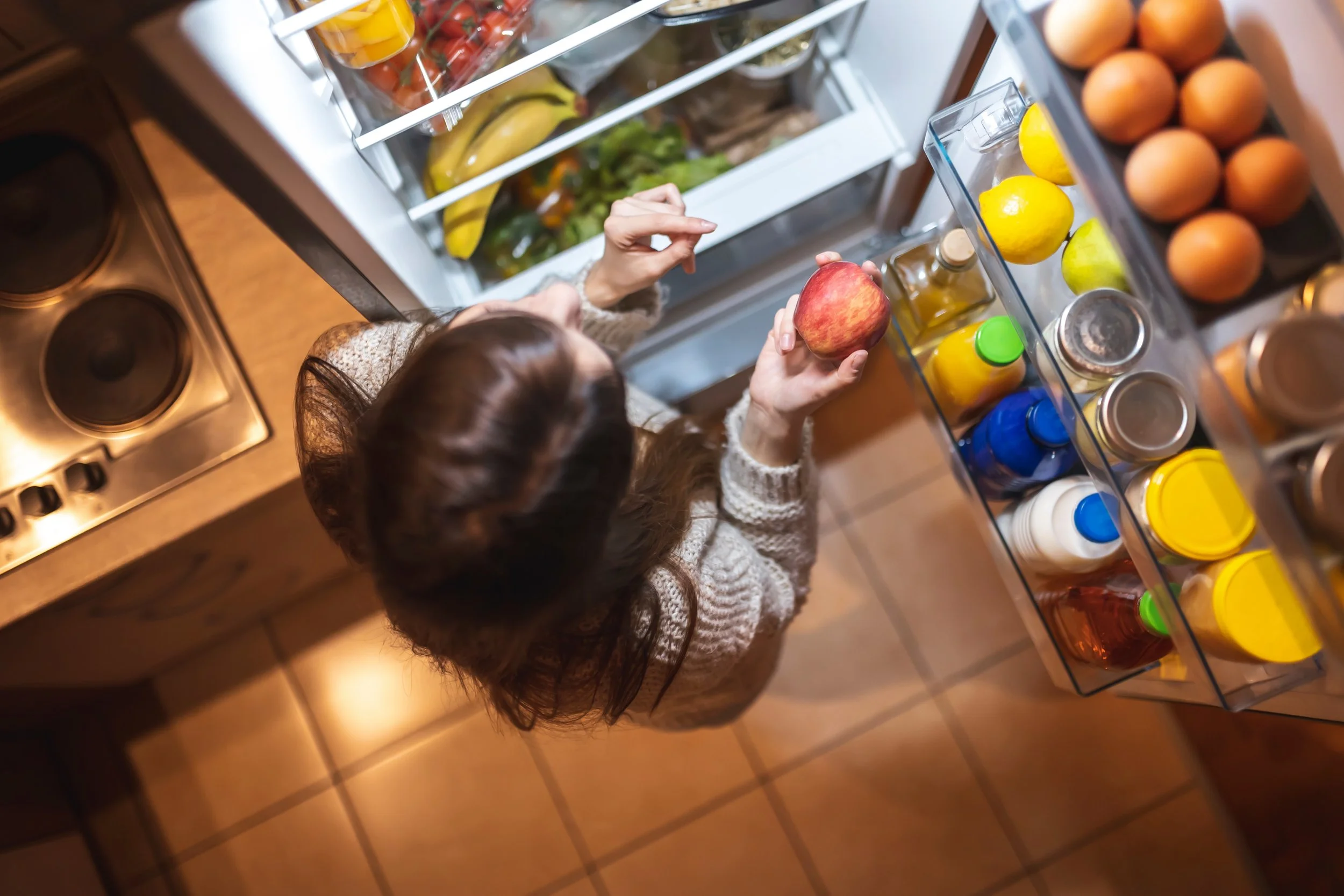
Refrigerate Foods Properly
Different foods should be stored in different areas of your refrigerator.
Follow these general guidelines:
Store raw meat, poultry, and seafood on the lowest shelf to prevent juices from dripping onto other foods
Keep eggs refrigerated in their original carton
Store milk and dairy products in the coldest part of the refrigerator rather than in the door
Keep fruits and vegetables in designated produce drawers
Cover and label leftovers with the date they were prepared
Avoid overfilling your refrigerator. Cold air must be able to circulate to keep foods at safe temperatures.
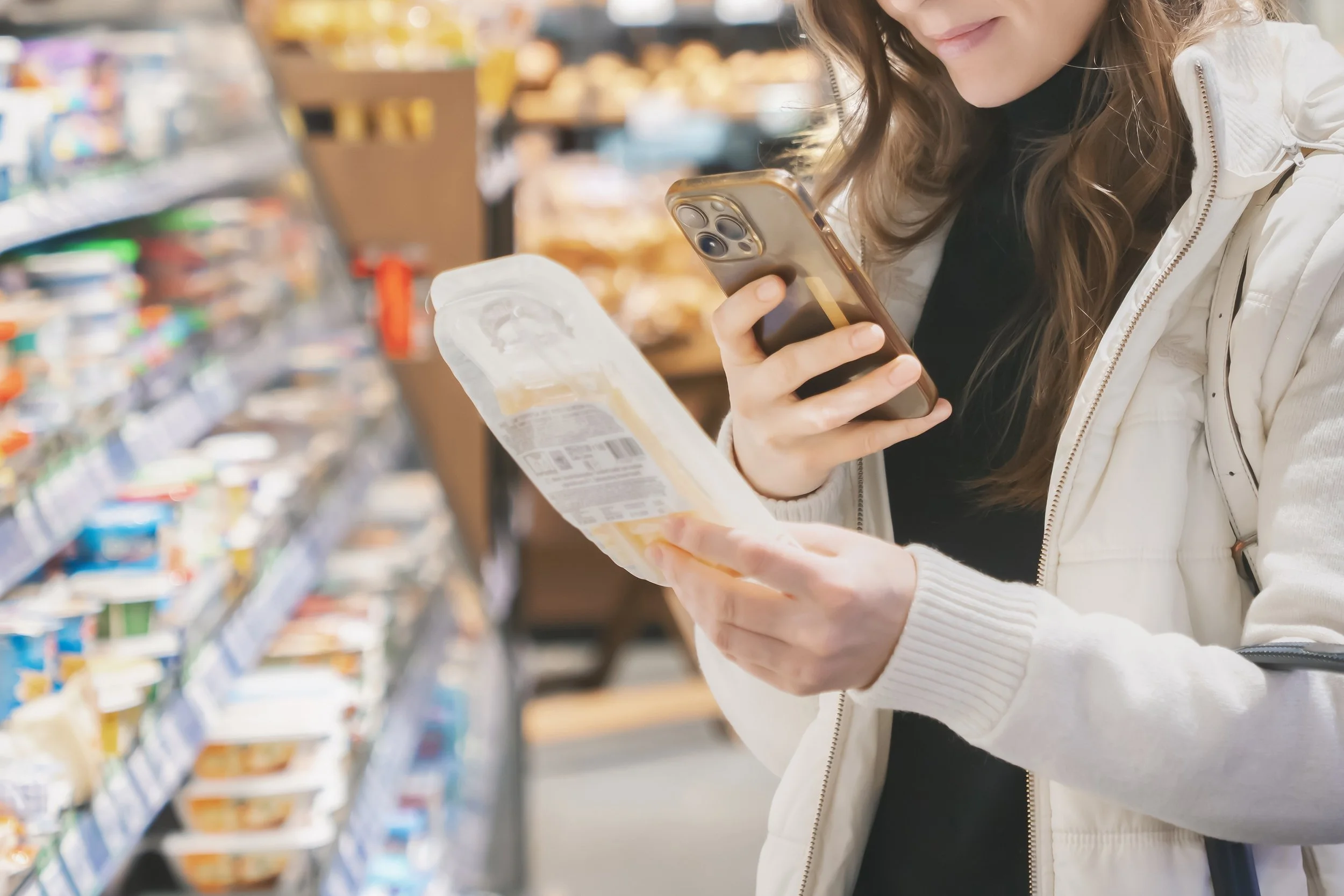
Understand Expiration, "Best By," and "Use By" Dates
Food labels can be confusing.
In many cases, "Best By" dates refer to quality rather than safety. A product may still be safe to eat after the printed date, depending on how it has been stored.
However, some foods become unsafe more quickly and should be discarded if you are uncertain about how long they have been stored.
Always inspect food for signs of spoilage, including:
Mold
Unusual odors
Changes in texture
Leaking or damaged packaging
Do not taste food to determine whether it is safe.
Food Storage Safety Tips
Follow these simple habits to keep food safe:
Refrigerate perishable foods promptly
Keep your refrigerator at 40°F or below
Keep your freezer at 0°F or below
Follow the 2-hour rule
Label leftovers with the date they were prepared
Store raw meat separately from ready-to-eat foods
Throw away foods that may have spoiled
When to Call The Michigan Poison & Drug Information Center
If you believe someone has eaten spoiled food or may be experiencing symptoms of food poisoning, the Michigan Poison & Drug Information Center (MiPDC) can help.
Symptoms of foodborne illness may include:
Nausea
Vomiting
Diarrhea
Stomach cramps
Fever
Call the Poison Help line at 1-800-222-1222 for free, confidential guidance 24 hours a day, 7 days a week.