
WSU Health Team Receives BCBS Grant to Expand Public Access to Naloxone Through Innovative Community Model
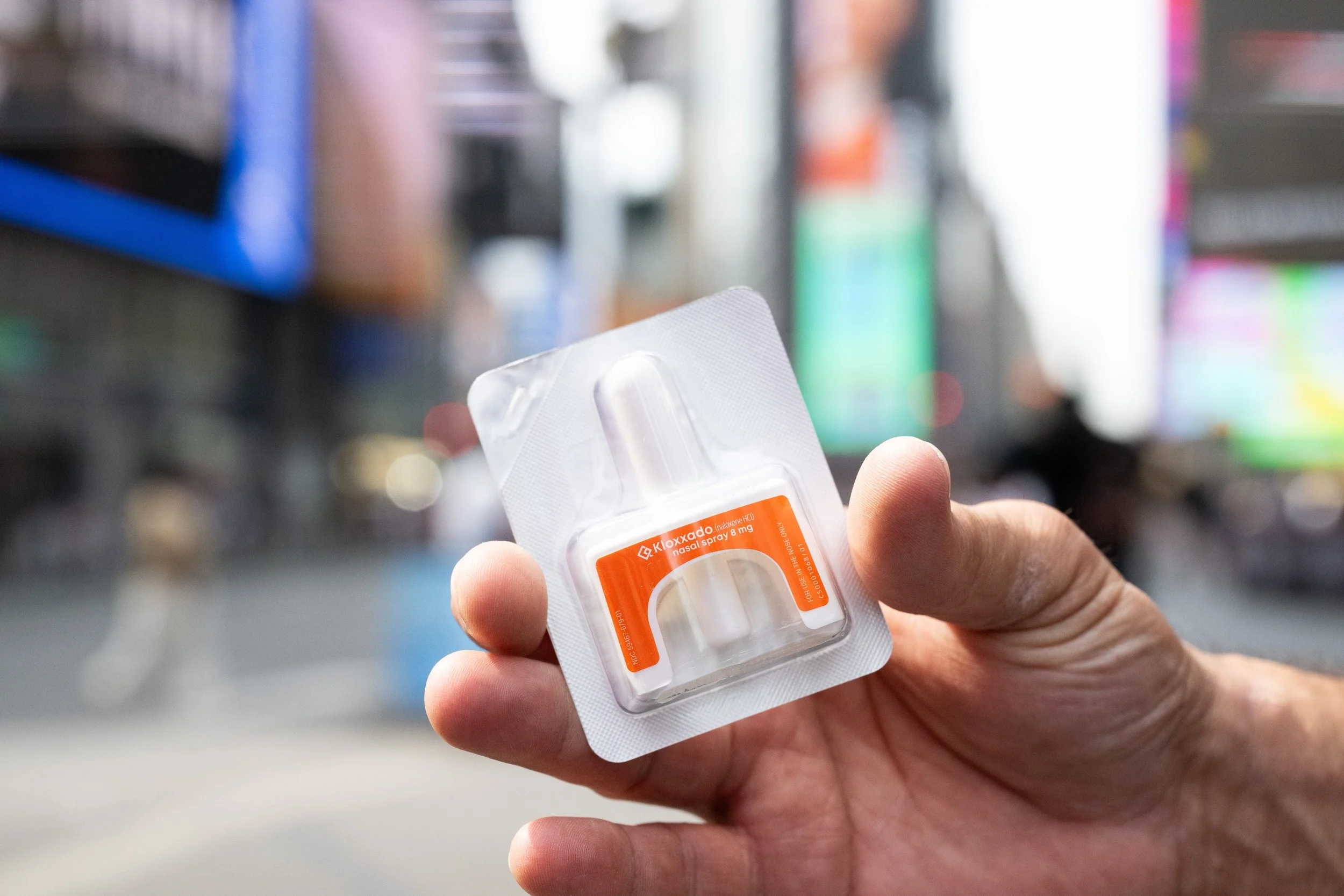
A Wayne State University School of Medicine-led team has received a Blue Cross Blue Shield of Michigan grant to develop and evaluate a new public-access model for naloxone distribution—an important step toward improving access to a medication that reverses opioid overdoses and saves lives.
The project focuses on expanding innovative, community-based strategies that make naloxone more widely available outside of traditional healthcare settings. The goal is to reduce barriers to access and strengthen overdose prevention efforts in communities most affected by the ongoing opioid crisis.
As part of the research effort, Dr. Varun Vohra, Senior and Academic Director of the Michigan Poison & Drug Information Center (MiPDC), is contributing to the initiative. The project brings together interdisciplinary expertise across Wayne State University and community partners to evaluate how public-access naloxone placement can be most effectively implemented in high-risk areas.
Dr. Vohra emphasized the broader significance of this collaborative work:
“This study, led by Dr. Tutag, exemplifies how interdisciplinary efforts across Wayne State University school and college faculties alongside community partners and public health agencies can unite to address an urgent and evolving overdose crisis through applied, data-driven research. By evaluating public access naloxone placement in high-risk communities across metro Detroit, this project advances our institutional missions of scholarship, interprofessional education, community engagement, and above all protecting public health. The findings have the potential to identify where naloxone access is most needed, strengthen overdose prevention strategies, reduce disparities in fatal overdose, and inform a scalable model for broader implementation across Michigan.”
Naloxone is a fast-acting medication that can rapidly reverse the effects of an opioid overdose when administered in time. Expanding access through community-based and public distribution strategies has been identified as a key component of comprehensive overdose prevention efforts.
This project will help evaluate how a more accessible distribution framework could be implemented across Michigan, with the potential to inform future public health strategies and policies.
MiPDC remains committed to supporting evidence-based approaches that reduce harm, improve access to life-saving interventions, and strengthen statewide overdose response systems.
