
Wildfire Smoke Is Affecting Michigan's Air Quality: Here's How to Protect Yourself
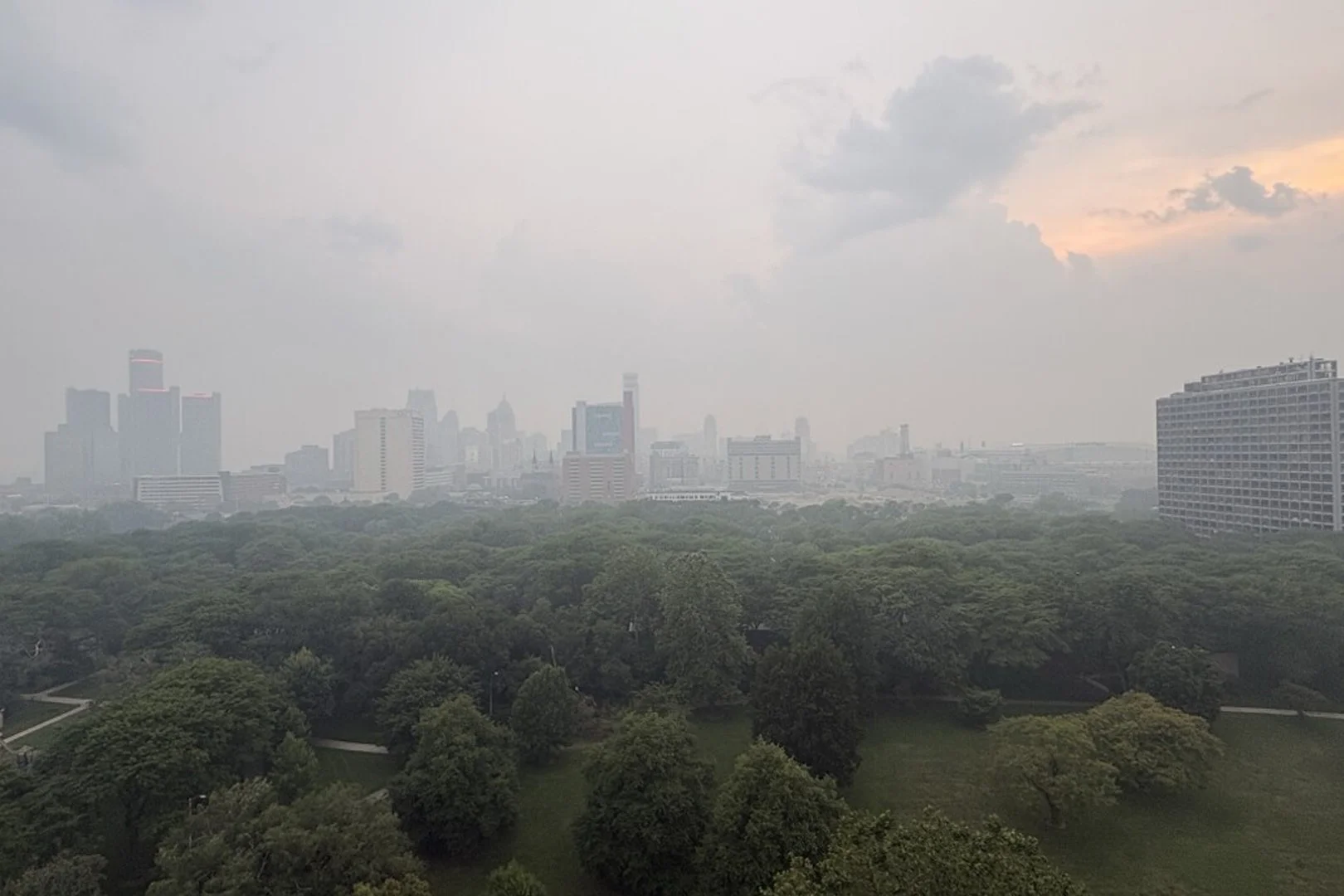
Smoke from ongoing Canadian wildfires has created hazardous air quality conditions across Michigan, prompting statewide air quality alerts. While the smoke may look like fog or haze, it contains tiny particles and gases that can travel hundreds of miles and affect your health—even if the fires are nowhere near your community.
Whether you're spending time outdoors, commuting to work, or simply wondering if it's safe to open your windows, understanding how wildfire smoke affects your health can help you protect yourself and your family.
Why Is the Air Quality So Poor?
Wildfire smoke contains a mixture of gases and microscopic particles known as fine particulate matter (PM2.5). These particles are small enough to travel deep into the lungs and even enter the bloodstream, increasing the risk of respiratory and cardiovascular problems.
According to the Michigan Department of Environment, Great Lakes, and Energy (EGLE), smoke from Canadian wildfires has pushed air quality across Michigan into the Hazardous category, with conditions expected to continue into the coming days.
Who Is Most at Risk?
Although everyone should limit exposure during heavy smoke events, some people are more likely to experience health problems, including:
Children and teenagers
Adults age 60 and older
People with asthma, COPD, or other lung diseases
People with heart disease
Pregnant individuals
Outdoor workers
Anyone exercising or performing strenuous activities outdoors
Symptoms of Wildfire Smoke Exposure
Breathing wildfire smoke can cause:
Eye irritation
Burning nose or throat
Coughing
Wheezing
Shortness of breath
Chest tightness
For people with asthma or heart disease, smoke exposure can trigger serious flare-ups and may require medical attention.
How to Protect Yourself
When air quality reaches unhealthy or hazardous levels, the best protection is to reduce your exposure.
Stay Indoors
Whenever possible:
Keep windows and exterior doors closed.
Avoid bringing outdoor air inside.
Limit activities that worsen indoor air quality, such as burning candles, smoking, or vacuuming without a HEPA filter.
Improve Indoor Air Quality
If you have air conditioning:
Run your system on recirculate if possible.
Use a MERV-13 or higher HVAC filter if your system supports it.
Portable HEPA air cleaners can also help reduce smoke particles indoors.
Avoid Strenuous Outdoor Activity
Even healthy adults breathe more deeply during exercise, increasing the amount of smoke that reaches the lungs.
If you need to be outside:
Keep outdoor time as short as possible.
Avoid vigorous exercise or heavy physical work.
Consider wearing a well-fitting NIOSH-approved N95 or P100 respirator if you must be outdoors for extended periods. Cloth masks and surgical masks do not effectively filter wildfire smoke particles.
Check Air Quality Before Heading Outside
Air quality can change throughout the day and vary by location.
Before spending time outdoors, check current conditions using:
If You Have Asthma or Heart Disease
People with chronic medical conditions should take extra precautions.
Continue taking prescribed medications.
Keep rescue inhalers readily available.
Follow your healthcare provider's action plan.
Contact your healthcare provider if symptoms worsen during periods of poor air quality.
How Michigan Poison & Drug Information Center Can Help
While the Michigan Poison & Drug Information Center is best known for helping with poison emergencies, our specialists are also a trusted resource for many environmental and public health exposures.
If you have questions about smoke exposure, medications that may affect breathing, accidental chemical exposures, or other poisoning concerns, our experts are available 24 hours a day, seven days a week.
Call the Michigan Poison & Drug Information Center anytime:
📞 1-800-222-1222
Expert advice is free, confidential, and available to everyone in Michigan.
Stay Informed
Wildfire smoke conditions can change quickly as weather patterns shift. Continue monitoring local air quality alerts and take steps to protect yourself until conditions improve.
For the latest Michigan air quality information, visit EGLE's air quality resources and follow guidance from the Michigan Department of Health and Human Services.
