
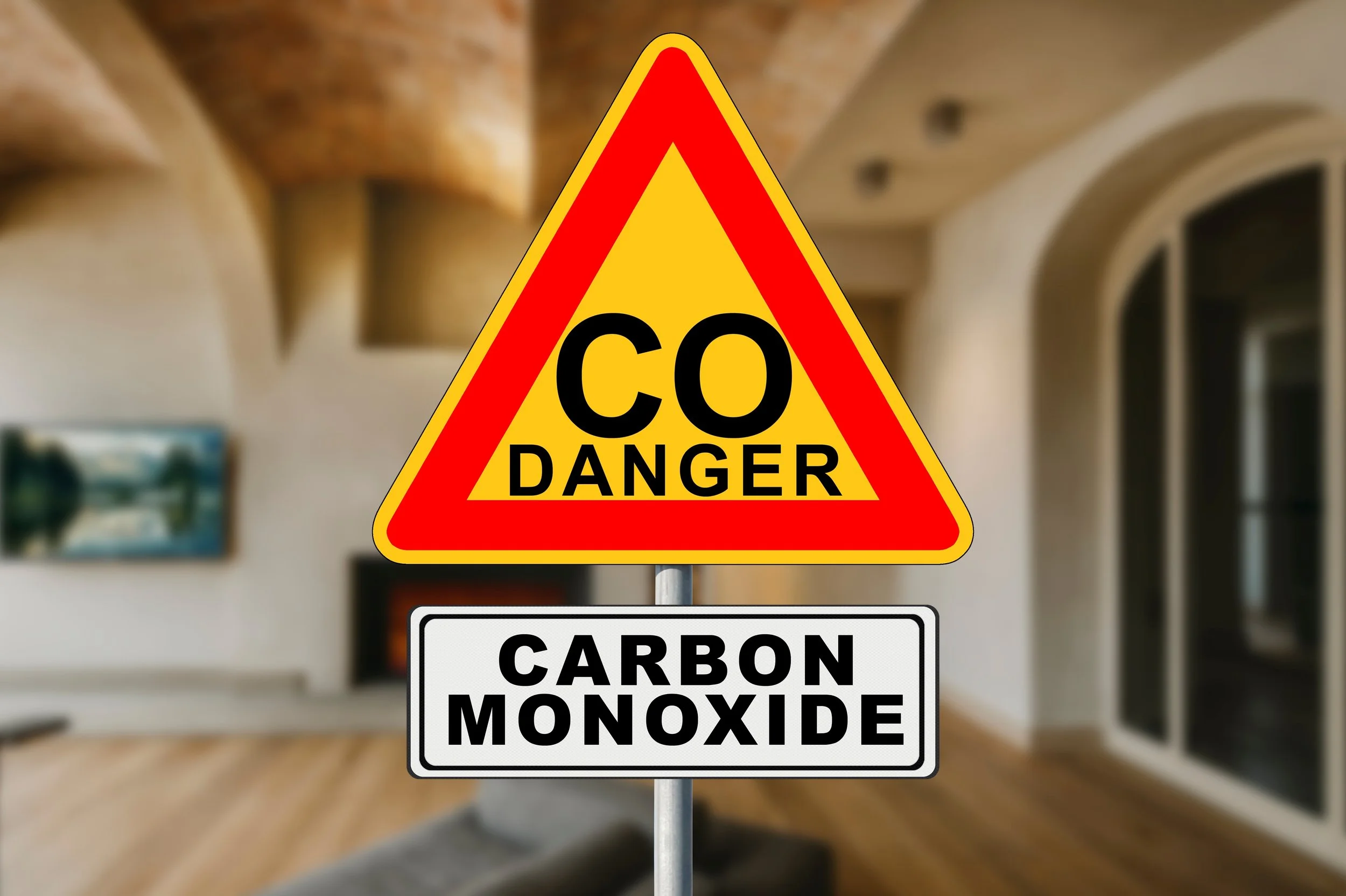
Every year, the Michigan Poison & Drug Information Center (MiPDC) receives nearly 400 calls regarding carbon monoxide exposure. Nationwide, over 20,000 emergency room visits are attributed to carbon monoxide exposure, resulting in more than 4,000 hospitalizations and approximately 400 deaths annually. Our goal is to ensure residents and workers across Michigan are informed about the signs and health risks associated with carbon monoxide exposure.
During November, we recognize Carbon Monoxide Awareness Month. Carbon monoxide is odorless and colorless. Therefore, installing working carbon monoxide detectors is one proactive measure you can take to protect your home from the harmful effects of this gas. It is crucial to take carbon monoxide alarms seriously if they are activated. Alarms are often the first alert that you may be at risk for elevated levels of carbon monoxide.
Holiday Safety
As the holiday season approaches, we may overlook carbon monoxide safety while traveling or visiting others' homes, but exposure risks are still present. During holiday and winter festivals, vendors and tents often utilize gas-powered heating and kitchen appliances fueled by generators. These sources must be maintained to prevent potentially dangerous levels of carbon monoxide for visitors and workers.
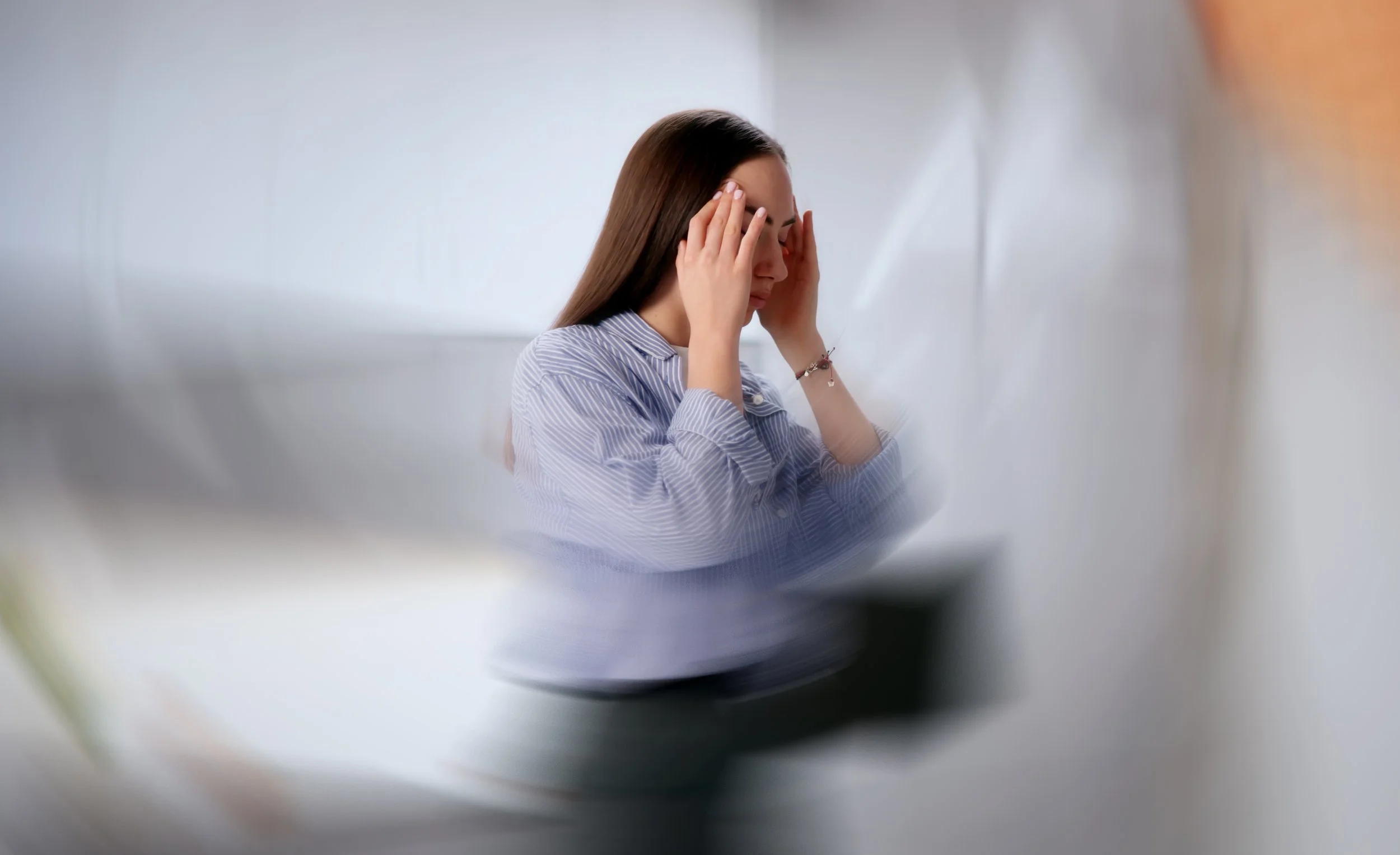
Recognizing the symptoms of carbon monoxide poisoning is necessary for personal, household, and public health safety. Anyone can be affected by carbon monoxide poisoning; however, infants, pregnant women, the elderly, and those with chronic health conditions are at a higher risk. Those exposed to carbon monoxide may experience symptoms like a cold or flu. This is particularly concerning if a group of people reports similar complaints at the same time. Healthy individuals may not be the first to show symptoms. Symptoms may include:
Headaches
Nausea
Dizziness
Fatigue
Confusion
Muscle aches and pains
DO NOT ignore these symptoms. They can rapidly worsen and lead to life-threatening health effects.
If you suspect carbon monoxide exposure, call the fire department and your power company, and call 911 immediately if anyone is experiencing symptoms related to carbon monoxide poisoning. Evacuate all individuals from your home or building and leave doors and windows open while waiting for Emergency Medical Services.
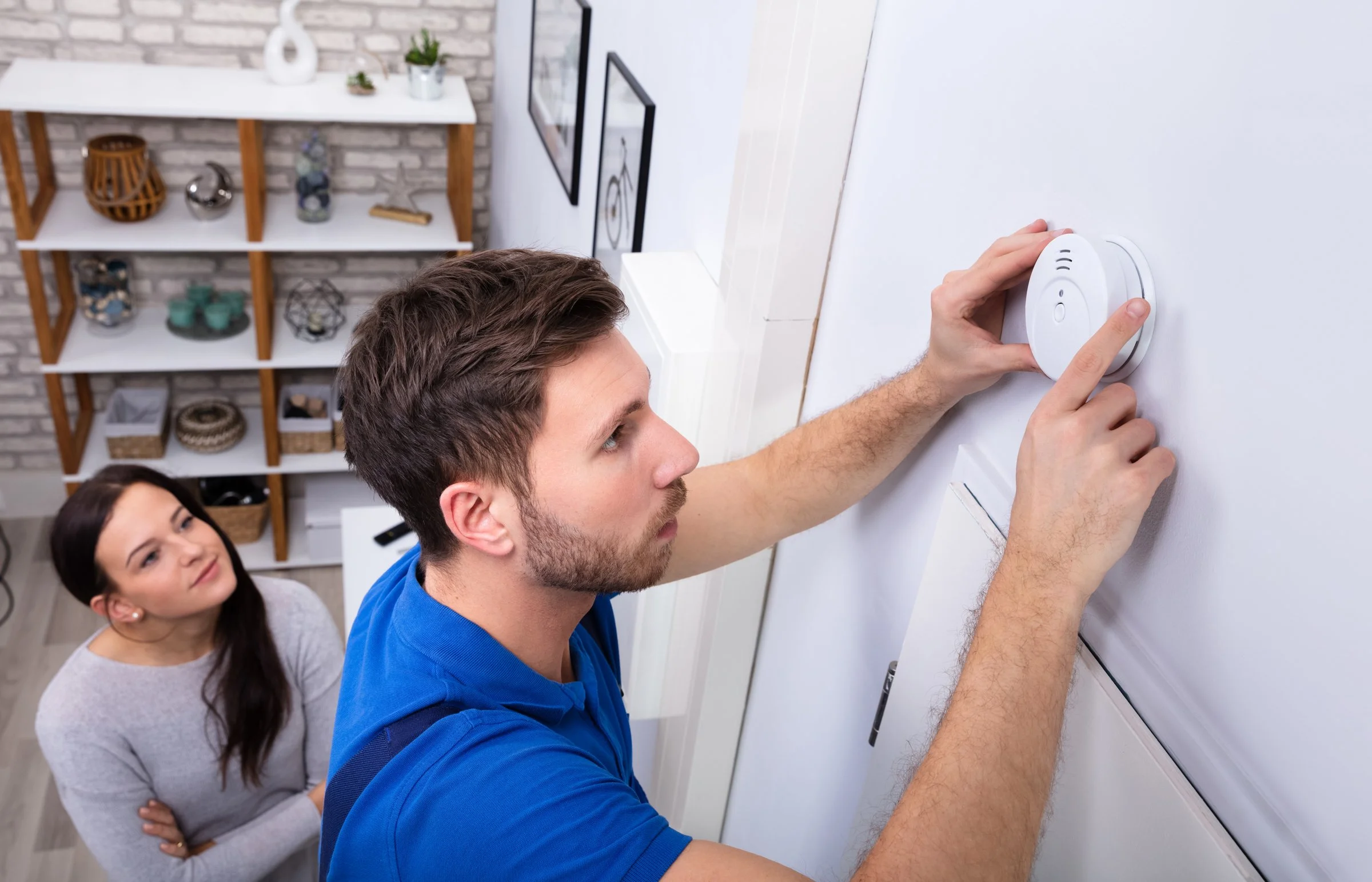
Installing Carbon Monoxide Detectors
To properly install a carbon monoxide detector:
Follow the manufacturer’s instructions.
Install it on walls 5 feet above the floor or on the ceiling.
Place it near bedrooms.
DO NOT install it near fireplaces or any sources of open flames.
Businesses should consult their local fire department regarding installation and usage.
Additional Safety Measures
Prevent carbon monoxide exposure with proper environmental maintenance. Consider these steps:
Have your furnace and water heater inspected annually.
DO NOT use kerosene space heaters indoors or in enclosed areas.
Gas generators should NEVER run in your home or garage, or within 20 feet of your home.
NEVER leave vehicles running in an attached garage.
For more information on carbon monoxide safety, visit the Household Safety tab for Educational Resources, or visit the Educators & Caregivers page for the Carbon Monoxide Awareness educational video from the MiPDC. Check the “Resource” tab for further details about carbon monoxide from the U.S. Centers for Disease Control and Prevention.
If you have any questions related to carbon monoxide poisoning, please contact the Michigan Poison and Drug Information Center Hotline at 1-800-222-1222 for expert advice available 24/7, 365 days a year, at no cost.
