
MiPDC Director Receives National Research Grant to Study Morel Mushroom Toxicity
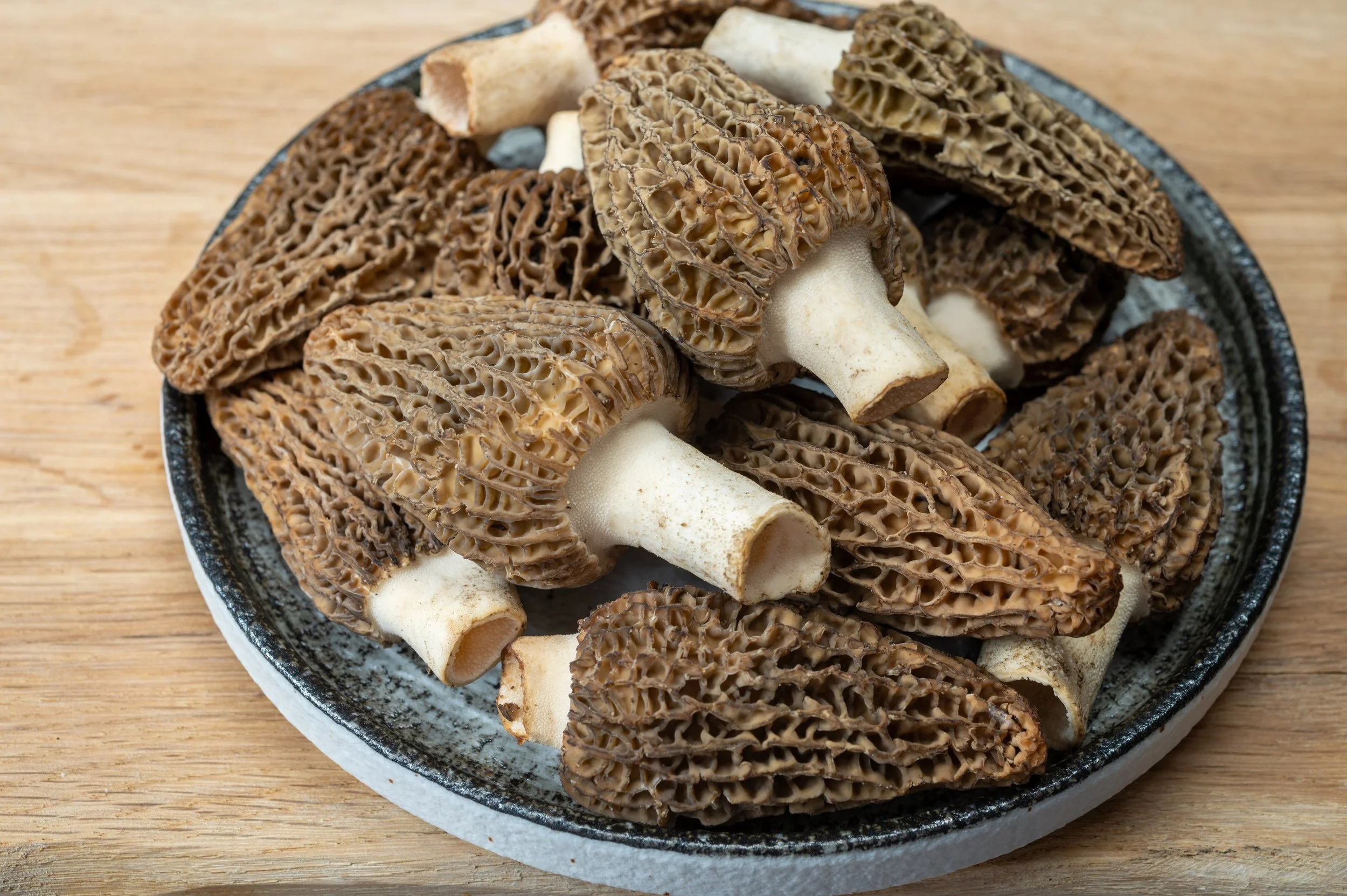
A bowl of true morel mushrooms.
The Michigan Poison & Drug Information Center (MiPDC) is pleased to announce that Director Dr. Varun Vohra has been awarded a 2026 Research Award from the American Academy of Clinical Toxicology (AACT). The award provides financial support for his study, “Questionable Morels: Isolating and Characterizing the Toxins and Secondary Metabolites Associated with the Edible Morel Species, Morchella sextelata.”
The project brings together experts from The Michigan Poison & Drug Information Center, the University of Michigan, and Michigan State University to investigate an important and understudied area of toxicology: the potential toxins found in morel mushrooms.
Morels (Morchella species) are among the most sought-after wild mushrooms in North America and are especially popular among Michigan foragers. Traditionally considered safe to eat, morels have nonetheless been associated with cases of poisoning in both Europe and North America. Reported symptoms have included gastrointestinal illness and neurological effects, and recent evidence suggests that toxicity may occur even when the mushrooms are thoroughly cooked.
Interest in morel toxicity has grown in recent years following a 2023 outbreak linked to black morels (Morchella sextelata) served at a Montana restaurant. More than 50 individuals became ill, resulting in multiple hospitalizations and two deaths. Despite these incidents, the specific compounds responsible for morel-related toxicity remain largely unknown.
Dr. Vohra's research aims to isolate and characterize toxins and other secondary metabolites present in M. sextelata. By analyzing both cultivated samples and dried mushroom fruiting bodies, the research team hopes to better understand the chemical profile of this increasingly common species. The findings may help identify previously unrecognized toxins and improve scientific understanding of morel-related poisonings.
The study could have important implications for public health, including the development of more rapid detection methods, improved treatment strategies, and a stronger evidence base for poison center recommendations. It may also lay the groundwork for future research into other commonly consumed morel species.
"This project reflects the importance of collaboration between toxicologists, poison centers, and mycologists," said Dr. Vohra. "As morel mushrooms continue to grow in popularity among foragers and consumers, it is important that we better understand the risks associated with their consumption."
The MiPDC congratulates Dr. Vohra on this national recognition and looks forward to the valuable contributions this research will make to the fields of toxicology, mycology, and public health.
