
Nitrous Oxide Dangers: What Michigan Families Need to Know (Copy)

Nitrous oxide is a gas used for legitimate medical, dental, and commercial purposes, including in the culinary and automotive industries. However, commercial nitrous oxide products are increasingly being used recreationally for nitrous oxide's euphoric and hallucinogenic effects, but misuse can lead to serious health problems.
In Michigan, Dr. Varun Vohra, Senior & Academic Director and clinical toxicologist consultant with the Michigan Poison & Drug Information Center (MiPDC), has identified a growing number of reported poison center cases involving intentional recreational nitrous oxide misuse. From January 2024 through May 14, 2026, the MiPDC identified 112 cases in which recreational nitrous oxide misuse was associated primarily with neurological injury. Cases increased from 35 in 2024 to 47 in 2025, with another 30 cases reported by mid-May 2026.
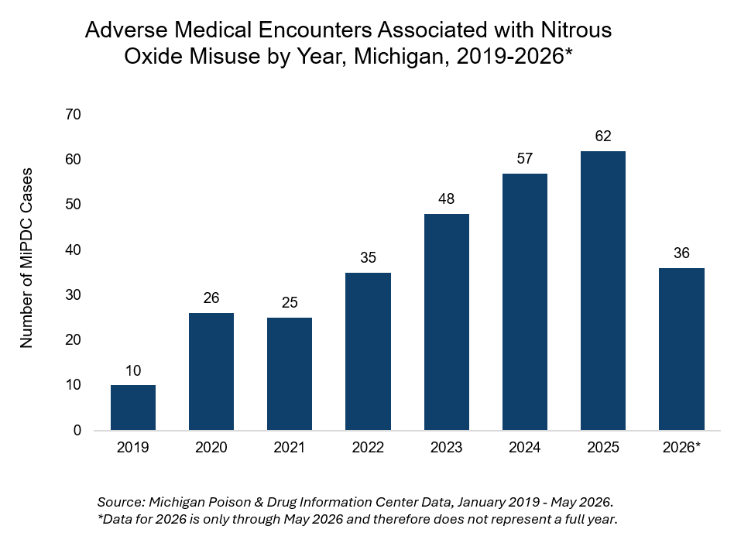
The numbers are a stark reminder that nitrous oxide misuse is not simply a harmless way to experience a short-lived high. Some people who misuse nitrous oxide develop neurological symptoms, some of which can be permanent in severe cases, or other serious medical complications that require emergency treatment.
What is nitrous oxide?
Nitrous oxide is a colorless and odorless gas commonly known as “laughing gas.” It has legitimate uses in medicine and dentistry, as well as in food preparation and other commercial applications.
However, some nitrous oxide products are sold and used specifically for recreational purposes as a way for users to get 'high.' Nitrous oxide use has short-lived euphoric, anti-anxiety, and hallucinogenic effects. Since these products may be openly available in stores or online, they can sometimes be perceived as low-risk.
That perception can be misleading.
Recreational nitrous oxide products may include small metal whipped-cream chargers, sometimes called “whippets” or “whippits,” as well as larger flavored nitrous oxide tanks. Products may also be marketed using terms such as NOS, Galaxy Gas, or other brand and product names.
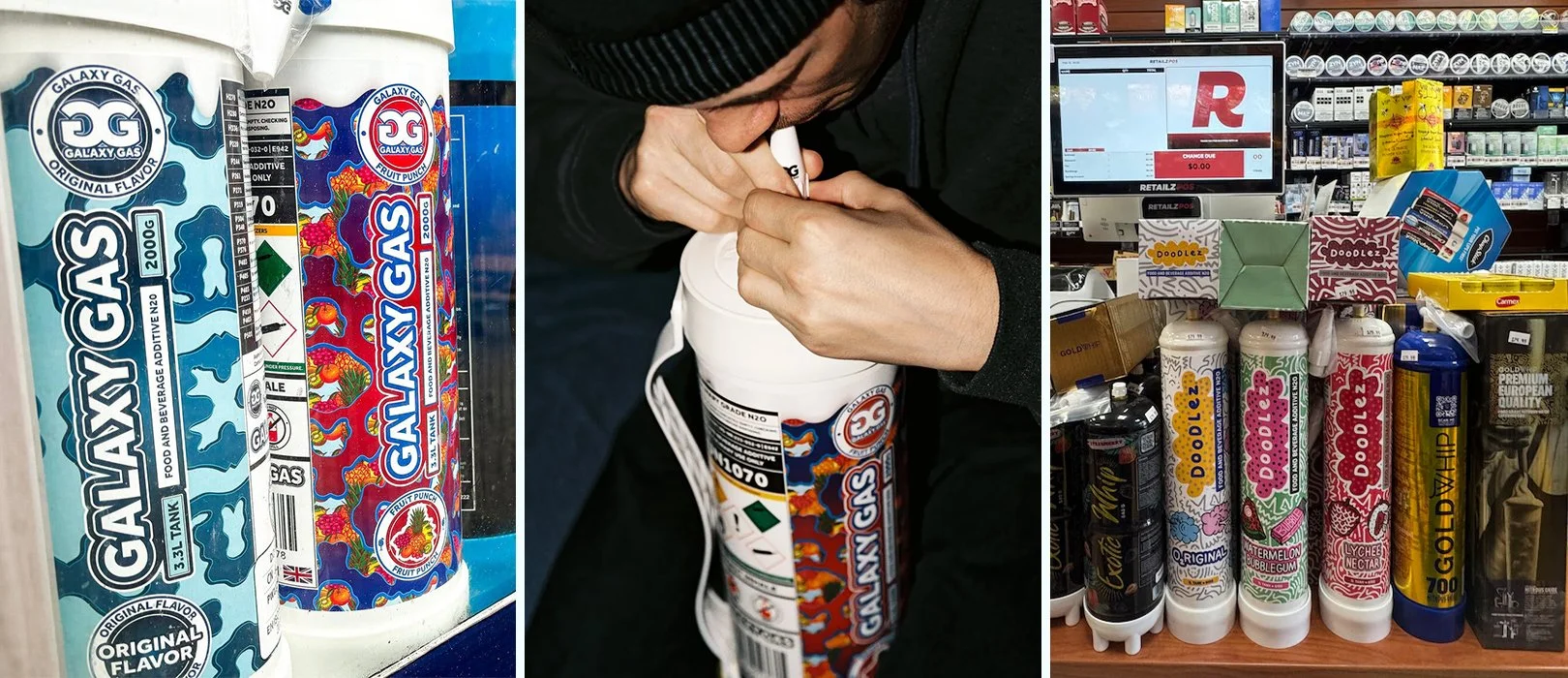
These products may be available through smoke or vape shops, gas stations, convenience stores, online marketplaces, party-supply businesses, and novelty stores. Some are packaged with colorful designs and flavors that may make them appear similar to other consumer products and enticing to young people.
Why is recreational nitrous oxide dangerous?
The effects of recreational nitrous oxide misuse can range from short-term impairment to serious neurological and other medical complications.
MiPDC data show that neurological effects are among the most commonly reported problems associated with recreational nitrous oxide misuse. Reported symptoms include:
Numbness or tingling, particularly in the hands and feet
Peripheral neuropathy
Muscle weakness
Difficulty walking or problems with balance and coordination
These symptoms may occur alongside other physical or behavioral effects, or they may develop independently.
Heavy or repeated use can cause serious complications
The Michigan public health bulletin also identifies several other health concerns associated with heavy or chronic nitrous oxide misuse, including:
Anemia
Blood clots, including deep vein thrombosis and pulmonary embolism
Increased heart rate
Shortness of breath or oxygen deprivation leading to loss of consciousness
Injuries associated with impaired judgment or loss of consciousness
Psychiatric complications, including mood disorders and depression
Improper use of nitrous oxide tanks or chargers can also cause acute injuries, including frostbite and asphyxiation. Hand injuries may occur when handling pressurized products.
What are the warning signs of nitrous oxide misuse?
The signs of a problem can vary depending on how much nitrous oxide was used, how frequently it is being used, and whether other substances were involved.
Neurological warning signs can include:
Numbness or tingling in the hands or feet
Muscle weakness
Difficulty walking
Problems with balance or coordination
Behavioral and mental health effects reported in association with nitrous oxide misuse include anxiety, depression, mood changes, memory problems, confusion or delirium, and hallucinations or paranoia. These symptoms may occur along with physical symptoms or independently.
Nitrous oxide and other substances
Nitrous oxide may not always be used by itself.
According to Michigan data included in the September 2026 public health bulletin, approximately 30% of MiPDC poison center cases involving recreational nitrous oxide misuse also involved other substances. The substances most commonly reported alongside nitrous oxide were benzodiazepines, cannabis/THC, and alcohol.
Combining substances can make intoxication and impairment more difficult to recognize and may increase the potential for serious complications.
Michigan's experience with nitrous oxide misuse
The Michigan data provide an important look at the medical impact of recreational nitrous oxide misuse.
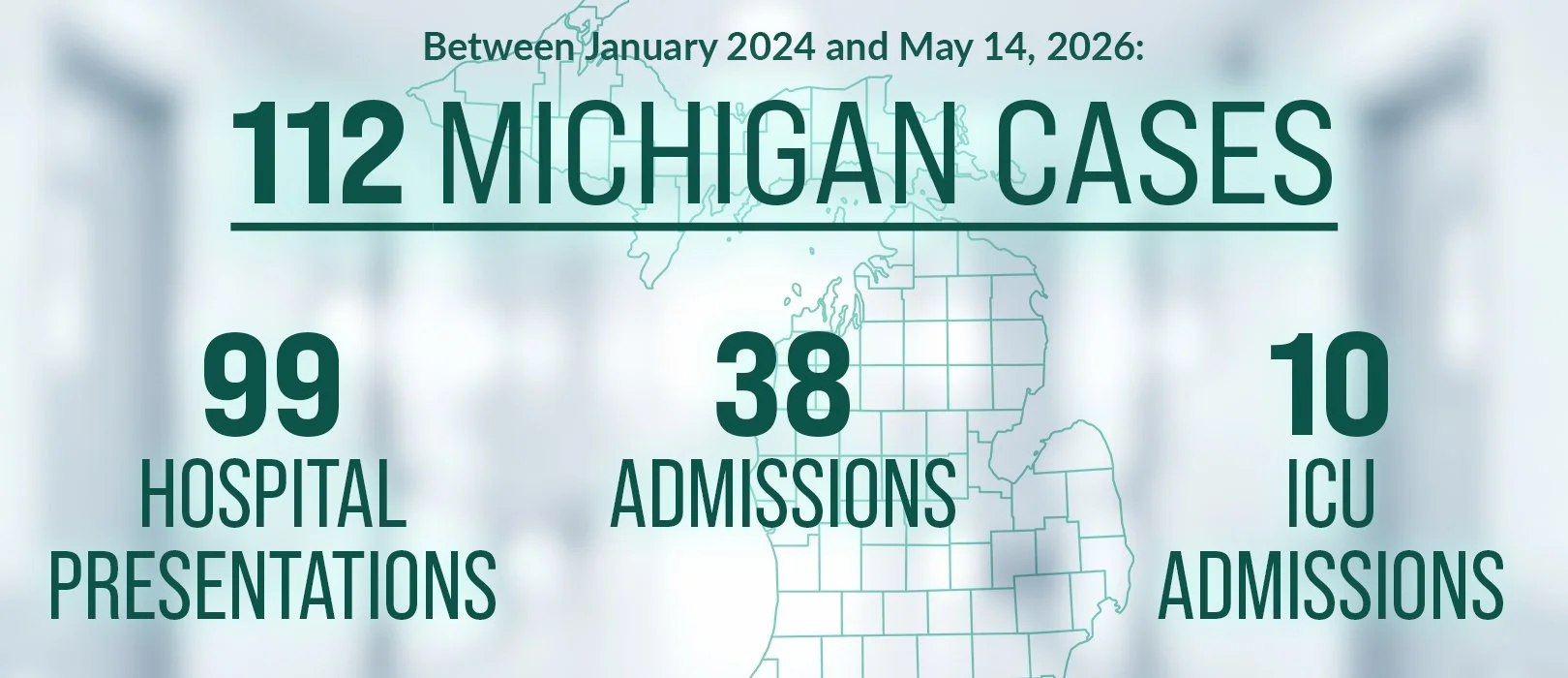
Of the 112 intentional recreational nitrous oxide cases identified by MiPDC between January 2024 and May 14, 2026:
99 people presented to a hospital
38 people were admitted to the hospital
10 people required ICU admission
Nearly half of the reported cases resulted in medically significant outcomes.
The cases occurred most frequently among people ages 20 through 39 years and were reported primarily in urban and suburban communities.\
Separately, Michigan EMS data identified 14 fatalities among EMS responses involving nitrous oxide, including three deaths classified as suspected suicides. These EMS data represent a different source and population than the MiPDC poison center cases and should not be interpreted as a direct fatality rate for recreational nitrous oxide use.
When should someone seek medical help?
Anyone experiencing concerning symptoms after using nitrous oxide should seek medical attention.
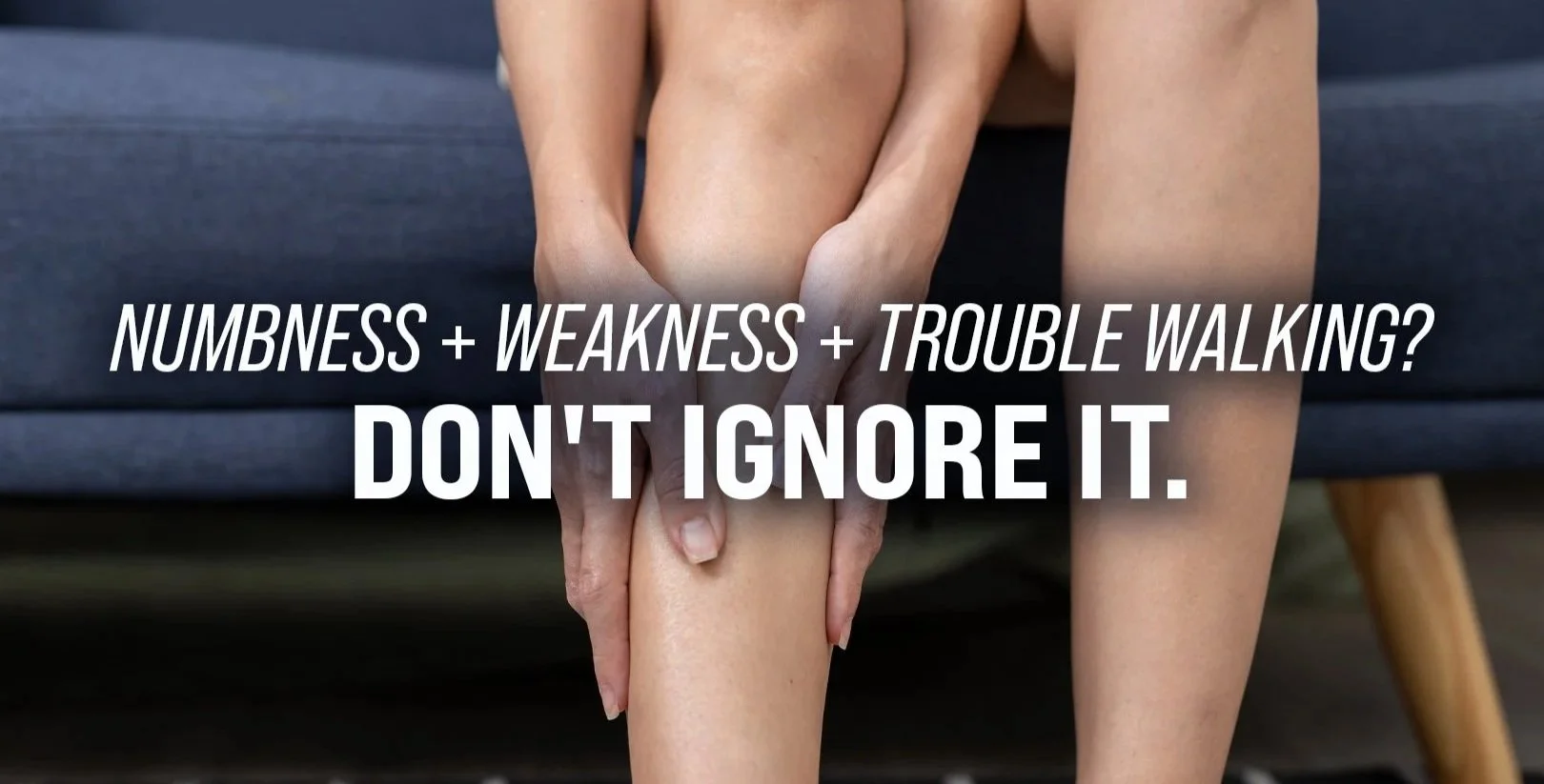
In particular, new or worsening numbness, weakness, difficulty walking, loss of balance, confusion, shortness of breath, loss of consciousness, or other serious symptoms should not be ignored.
If someone has been exposed to nitrous oxide and you are concerned about possible poisoning or adverse effects, contact the Michigan Poison & Drug Information Center for free, confidential, expert guidance.
Call 1-800-222-1222—available 24 hours a day, 7 days a week, 365 days a year.
You do not need to wait for symptoms to become severe before calling.
The bottom line
Nitrous oxide has legitimate uses, but recreational misuse can have serious health consequences. Michigan poison center data show that people who misuse nitrous oxide can experience neurological symptoms, require hospitalization, and, in some cases, require intensive care.
Knowing what recreational nitrous oxide products look like and recognizing symptoms such as numbness, weakness, and difficulty walking can help people identify a potential problem and seek medical care sooner.
If you have questions about a possible nitrous oxide exposure or misuse, call the Michigan Poison & Drug Information Center at 1-800-222-1222.
Free. Confidential. Expert help. 24/7/365.
Sources
Michigan Department of Health and Human Services. Recreational nitrous oxide misuse: What providers need to know. September 2026 Public Health Bulletin for Health Care Providers.
Data presented in this article from the Michigan Poison & Drug Information Center represent identified poison center cases involving intentional recreational nitrous oxide misuse from January 2024 through May 14, 2026. Case data are not necessarily representative of all nitrous oxide use or misuse in Michigan.
