
Kratom and Concentrated 7-OH Products: What You Need to Know
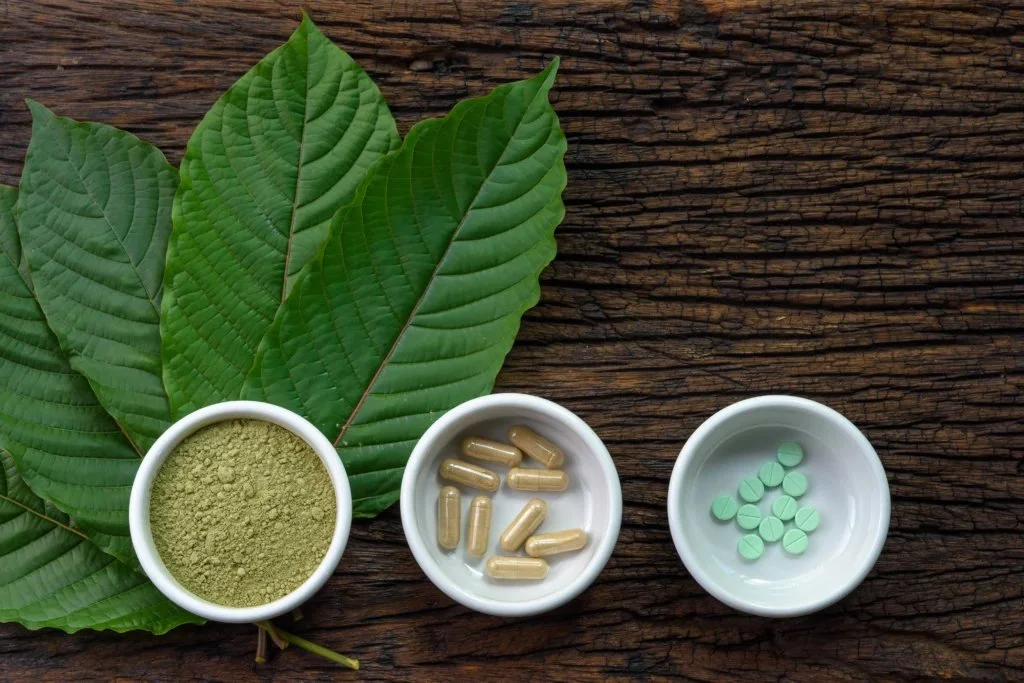
Kratom has become increasingly common in gas stations, smoke shops, convenience stores, and online marketplaces. While traditional kratom comes from the leaves of Mitragyna speciosa, a Southeast Asian tropical evergreen tree, newer products can contain highly concentrated amounts of one of its active compounds, 7-hydroxymitragynine (7-OH).
These concentrated 7-OH products can be significantly more potent than traditional kratom leaf products and may carry greater risks for dependence, withdrawal, and serious adverse effects. The Michigan Department of Health and Human Services (MDHHS) recently issued a public health bulletin encouraging health care providers to recognize these products and ask patients about their use.
What is kratom?
Kratom is a tropical tree native to Southeast Asia. Natural leaf kratom contains several compounds, including mitragynine, which is the most abundant psychoactive alkaloid, and 7-hydroxymitragynine, which is found in small concentrations. Traditional kratom products may be sold as dried leaves, powders, capsules, teas, or extracts.
People report using kratom for a variety of reasons, including pain management, anxiety, fatigue, increased energy and productivity, and symptoms related to opioid withdrawal. At lower doses, kratom may produce stimulant-like effects, while higher doses can produce more sedating or opioid-like effects. Kratom products are not approved by the U.S. Food and Drug Administration for medical use.
What is 7-OH?
7-hydroxymitragynine, commonly called 7-OH, is one of kratom's naturally occurring alkaloids that is found in relatively small concentrations. However, some modern products marketed as kratom contain highly concentrated amounts of 7-OH.
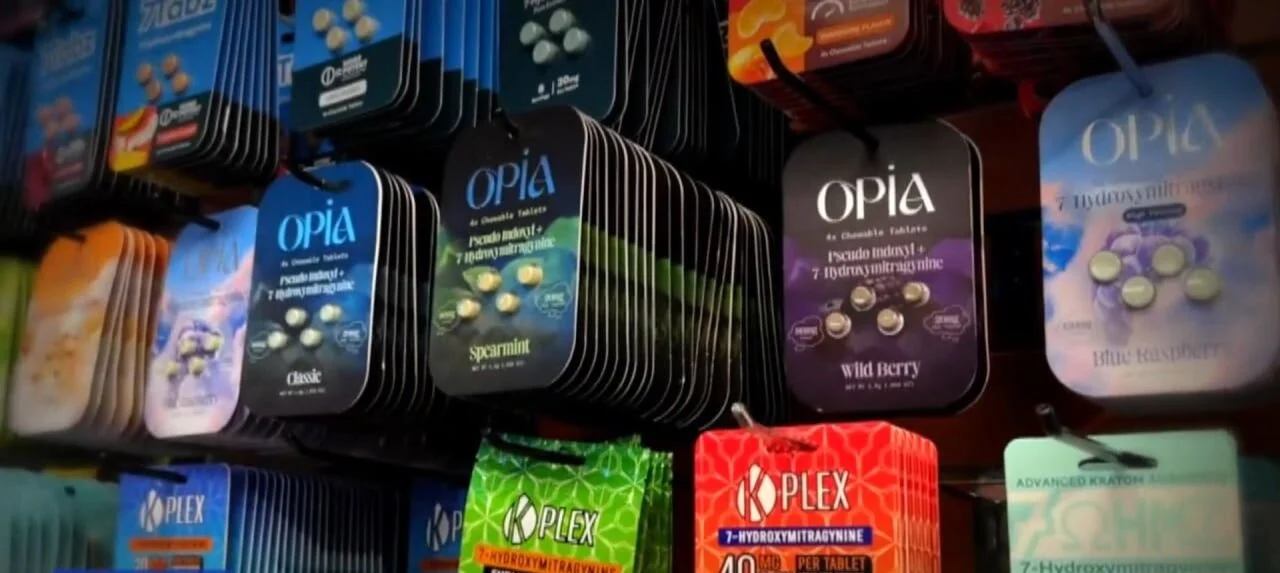
This distinction is important. Concentrated 7-OH products can have more potent opioid-like effects than natural leaf kratom. The products may be marketed as herbal supplements, wellness products, or energy boosters, which can make their risks easy to overlook. They may appear as powders, capsules, gummies, teas, wellness drinks, or concentrated liquid shots and extracts.
The MDHHS bulletin reports that the MiPDC reported an increase in kratom-related exposures in 2025. Adults ages 20–39 years accounted for the largest number of reported exposures, although cases occurred across all age groups, including 69 involving children. The bulletin also notes that exposures in 2025 involving 7-OH-enhanced kratom products demonstrated higher risk of overdose, greater withdrawal burden, more frequent buprenorphine recommendation or administration, and higher ICU utilization.
Why are these products concerning?
Regular use of concentrated 7-OH products can lead to physical dependence and withdrawal. Reported withdrawal symptoms can include anxiety, irritability, restlessness, insomnia, fatigue, excessive yawning, gastrointestinal distress, muscle aches, chills, and a runny nose. Some people may increase the amount or frequency they use to avoid withdrawal symptoms.
There are also concerns about interactions with other medications and substances. Concentrated 7-OH products may affect how the body processes certain prescription medications, including some antidepressants, antipsychotics, anxiety and sleep medications, heart medications, and pain medications.
The risk can be particularly concerning when these products are combined with other substances that cause sedation. MDHHS notes an increased risk of sedation and overdose when concentrated 7-OH products are used with opioids, especially when combined with alcohol or benzodiazepines.
The label may not tell the whole story
One of the challenges with these semi-synthetic and synthetic kratom products is that they are not regulated in Michigan. Product contents and potency may not match what is listed on the label. MDHHS notes that some products have been found to contain unexpectedly high concentrations of alkaloids, as well as heavy metals, stimulants, or opioid-like substances.That uncertainty makes it difficult to know exactly what someone has taken—or how strongly they may be affected.
For health care providers, MDHHS recommends routinely asking patients about concentrated 7-OH products, including powders, capsules, liquid shots, gummies, and teas. Providers should also consider the frequency and amount used, other substances taken at the same time, and symptoms such as sedation, agitation, seizures, gastrointestinal problems, or withdrawal.
Want to hear more from Dr. Vohra?
If you're curious to learn more about natural leaf kratom, concentrated 7-OH products, or other semi-synthetic and synthetic kratom derivatives, Dr. Varun Vohra, Senior Director and Clinical Toxicologist Consultant with the Michigan Poison & Drug Information Center, recently discussed the topic with WWJ Newsradio 950.
In the interview, Dr. Vohra answers some of the basic questions surrounding kratom and the newer, more potent products appearing on the market, including the differences between traditional kratom and synthetic or concentrated products and why these products can pose health risks.
Listen to the full interview: WWJ Newsradio 950: “Synthetic kratom remains a health risk”
The interview provides another opportunity to hear directly from a poison and toxicology expert about a topic that can be confusing for consumers, health care providers, and families alike.
When in doubt, call Poison Help
Kratom and concentrated 7-OH products may not always look like drugs. They can resemble supplements, energy products, candy, or other everyday consumer products. If you or someone you know has taken a kratom-labeled or 7-OH product and is experiencing concerning symptoms—or if you are unsure about a possible exposure—Poison Help is available 24 hours a day, 365 days a year.
Call the Michigan Poison & Drug Information Center at 1-800-222-1222.
The call is free, confidential, and nonjudgmental, and you can speak directly with poison experts about what was taken, how much was taken, symptoms, and what to do next.
