
Food Safety During a Power Outage: When to Keep or Throw Away Food
How long is food safe without power?
Q:
A refrigerator can keep food cold for about 4 hours if the door stays closed. A full freezer can keep food frozen for about 48 hours. When food has been above 40°F for more than 2 hours, it should usually be discarded.
A:
Power outages can happen at any time, especially during severe summer storms, winter weather, and other emergencies. When the power goes out, keeping food at safe temperatures becomes a challenge. Knowing what food is safe to keep and what should be thrown away can help prevent foodborne illness.
The Michigan Poison & Drug Information Center (MiPDC) recommends following these steps to protect yourself and your family during a power outage.
What to Do When the Power Goes Out
Keep Refrigerator and Freezer Doors Closed
A refrigerator can keep food safely cold for about 4 hours if the door remains closed.
A full freezer can maintain a safe temperature for about 48 hours, while a half-full freezer may keep food frozen for about 24 hours.
Every time you open the refrigerator or freezer door, cold air escapes and food warms more quickly. Keep doors closed as much as possible until power is restored.
How to Know If Food Is Safe
Food that has been kept at unsafe temperatures for too long can allow harmful bacteria to grow. You cannot always tell if food is contaminated by looking at it, smelling it, or tasting it.
When in doubt, throw it out.
Do not taste food to determine whether it is safe.
Foods to Throw Away After a Power Outage
Discard any perishable foods that have been above 40°F for 2 hours or more.
This includes:
Meat, poultry, seafood, and eggs
Milk, yogurt, and other dairy products
Soft cheeses
Cut fruits and vegetables
Cooked leftovers
Deli meats
Refrigerated prepared foods
Opened containers of sauces, dressings, and spreads
Throw away food that:
Has an unusual odor, color, or texture
Has come into contact with floodwater
Has been sitting in unsafe temperatures for an unknown amount of time
Do not rely on appearance or smell alone. Some harmful bacteria do not change the taste, smell, or appearance of food.
What Foods Can Usually Be Saved?
Some foods are less likely to spoil quickly and may be safe to keep if they remain at room temperature or were stored properly.
Examples include:
Unopened canned foods
Shelf-stable foods
Uncut fruits and vegetables
Bread and baked goods
Peanut butter
Condiments such as mustard, ketchup, and pickles
Always inspect food carefully and discard anything that may have been contaminated.
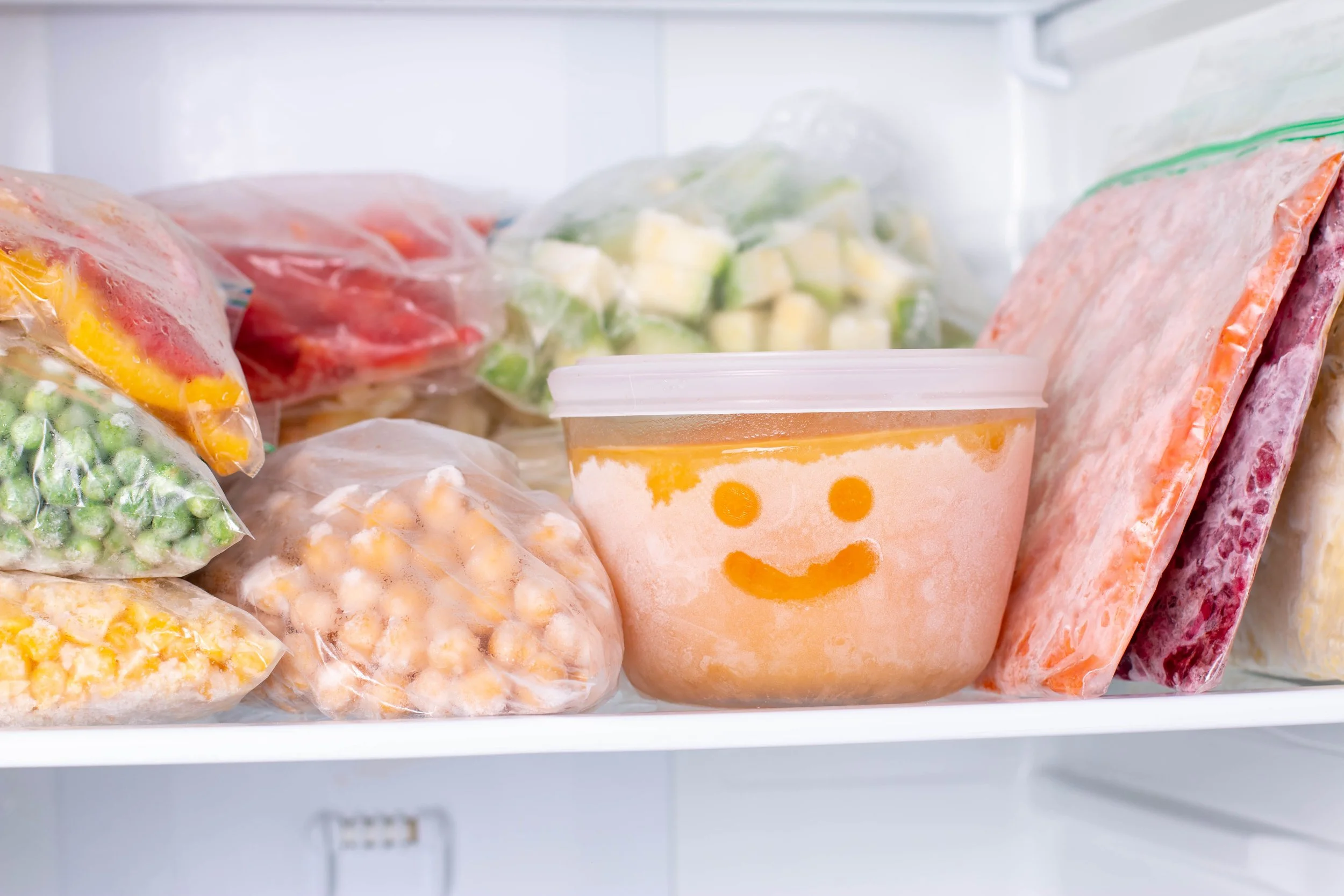
What About Food in the Freezer?
Frozen foods that still contain ice crystals or have remained at 40°F or below can usually be refrozen or cooked safely.
However, discard frozen food if:
It has completely thawed and has been above 40°F for more than 2 hours
It has an unusual smell or appearance
It has been contaminated by floodwater
A freezer thermometer can help you know whether frozen foods have stayed at a safe temperature.

Power Outage Food Safety Checklist
✅ Keep refrigerator/freezer doors closed
✅ Use appliance thermometers
✅ Throw away food exposed to unsafe temperatures
✅ Never taste food to see if it is safe
✅ When unsure, throw it out
Tips for Preparing for a Power Outage
Planning ahead can help protect your food during an emergency.
Before severe weather:
Keep appliance thermometers in your refrigerator and freezer
Store a supply of shelf-stable foods
Freeze containers of water to help keep food cold
Know where to find coolers and ice
Avoid opening refrigerator and freezer doors unnecessarily
During an extended outage, consider using coolers with ice or frozen gel packs to keep perishable foods at safe temperatures.
What If I Ate Food That Was Not Safe?
Eating food that has spoiled or been contaminated can cause foodborne illness, also called food poisoning.
Symptoms may include:
Nausea
Vomiting
Diarrhea
Stomach cramps
Fever
If you believe you or someone in your family became sick after eating questionable food, the Michigan Poison & Drug Information Center can help determine what steps to take.
Call the Poison Help line anytime: 1-800-222-1222
Our poison specialists are available 24/7 to provide guidance for possible food exposures and answer questions about symptoms, risks, and next steps.