Environmental Safety
-
PREPARING FOR FLOODS: MANAGE STRESS AND INCREASE SAFETY-MDHHS
Preparing in advance of an extreme weather event can help to protect physical safety and reduce stress and anxiety. This document provides basic information on how to prepare for floods to give yourself, your family and your community a better sense of security.
-
Your Health and Wildfire Smoke
Wildfire smoke is made up of gases and small (or fine) particles that can harm your health if you breathe it. Everyone should avoid breathing wildfire smoke, and some people are more sensitive to it because of their age or pre-existing health conditions.
-
PFAS-Watch Out for Foam on Water Surface
Many people see it and think it’s harmless. Others know to avoid it. Foam that accumulates and floats on water and is found on shorelines may not be harmless. PFAS (per and polyfluoroalkyl substances) are man made chemicals that are linked to harmful health issues. Avoid foam in waterways and know what to do when you cannot. Click below to learn more from MDHHS.
-
MICHAP Climate and Health Reports
Climate changes can greatly impact of people living in all regions of our state. Click the link below for updates on climate and health reports to inform your safety practices and indoor and outdoor activities throughout the year.
-
Common Poisonous Outdoor Plants
Throughout our state a variety of plants grow near waterways, wooded areas, and yards that can cause discomfort or health risks with contact, consumption, or other routes of exposure. Learn more by clicking the link below and learn more about what to do if you cannot avoid these common plants.
-
Air Quality Index (AQI) Basics from AirNow
The AQI is divided into six categories. Each category corresponds to a different level of health concern. Each category also has a specific color. The color makes it easy for people to quickly determine whether air quality is reaching unhealthy levels in their communities. Click below to learn more and find interactive air quality maps in your location.
-
Hazardous Waste Disposal- EGLE
Control of hazardous wastes in Michigan is accomplished through a set of interrelated actions. These include managing the generation, treatment, storage and disposal of hazardous wastes, licensing and regulating hazardous and liquid industrial by-products (formerly liquid industrial waste) transportation, and informing individuals of the opportunities for proper disposal of hazardous and harmful wastes generated in the home.
-
Ticks & Your Health
Ticks are most often found in natural areas such as tall grasses, wooded areas, or fields near wooded areas. Ticks do not normally come indoors unless they are carried inside on people or pets. It is important to take steps to prevent tick bites when spending time in wooded or grassy environments
-
Harmful Algae Blooms
HAB’s or Harmful Algae Blooms occur in waterways throughout the nation. The most common blooms in Michigan waterways are blue-green algae. Learn how to detect and avoid HAB’s to help keep family and pets safe and well this season.
-
Poison Hemlock
Poison Hemlock can be dangerous to handle. It looks like weeds that grow throughout the state of Michigan. Mowing or cutting this plant can result in serious health risks. Contact local experts for removal when possible. Learn more from the MSU Agriculture Extension.
-
Stewarding the Great Lakes-Michigan Department of Environment, Great Lakes, & Energy (EGLE)
The Great Lakes face threats including invasive species, urban and rural runoff, historical as well as new sources of contamination, and changes in climate. You can help protect our Great Lakes and all of Michigan’s rivers, lakes and streams and even groundwater! Become a water steward and Great Lakes champion!
-
Boating and Carbon Monoxide
Risks for carbon monoxide exposure can occur all year long. Carbon monoxide is found in the exhaust from cars and boats. One boat engine can produce the same amount of carbon monoxide as 180 cars.
-
Eat Safe Fish Guides
The Michigan Department of Health and Human Services has updated the Eat Safe Fish program. See the new guidelines for consuming fish from regions and waterways throughout the state of Michigan outlined in this latest release. (2026)
-
National Pesticide Information Center
Using pesticides safely depends on many things. Some of the most important factors include selecting the appropriate product, and using that product according to the label directions. The label directions are written to minimize the risk of problems and to define the legal uses for the product.
-
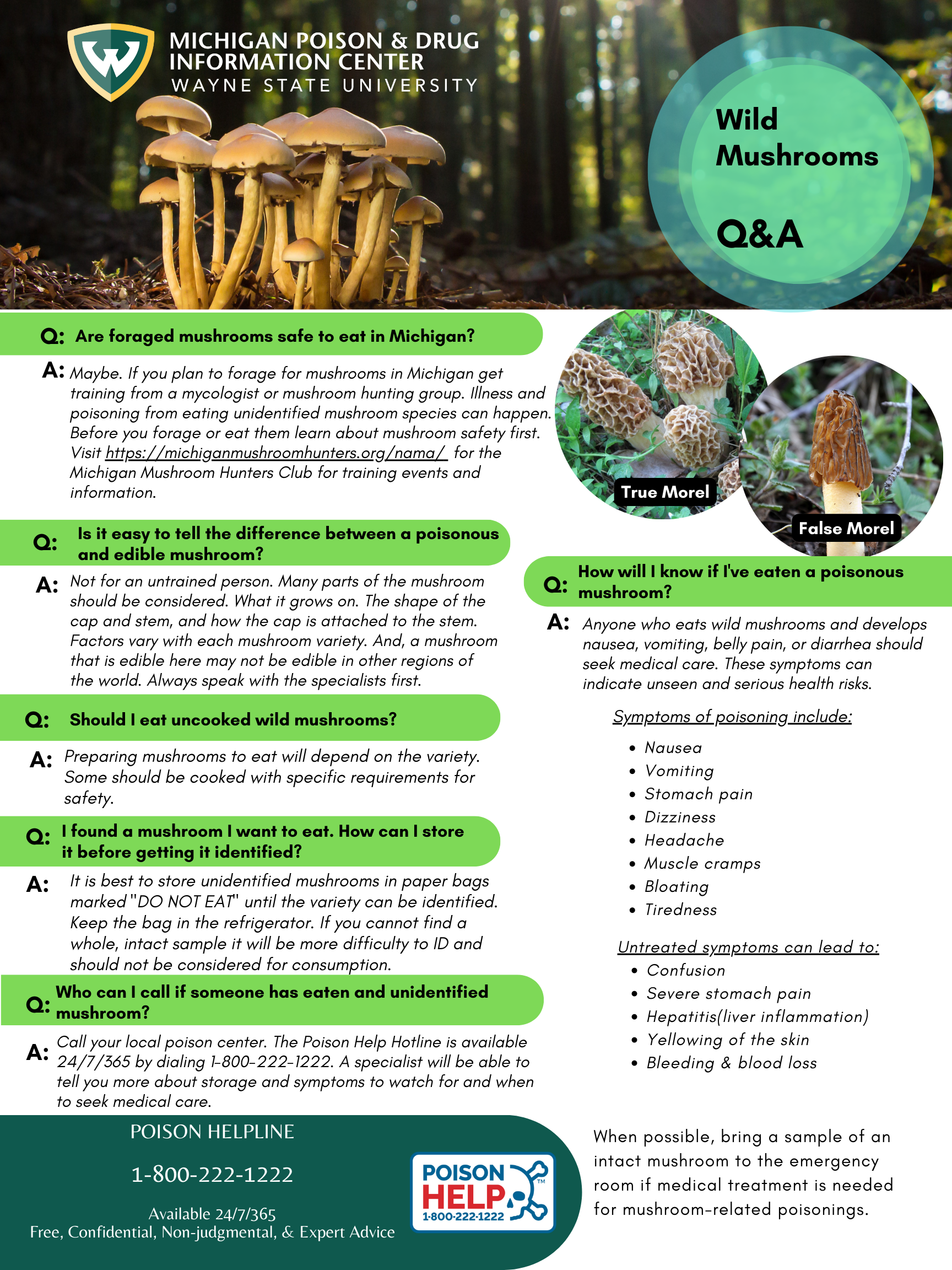
Wild Mushroom Q & A
Foraging for mushrooms in Michigan is a fun and educational outdoor activity. There are many edible mushrooms and others that should never be consumed. Edible mushrooms may only be safe to eat if prepared the right way. Click below to learn moare about safe foraging and mushroom consumption in this Q & A.
-
Michigan Department of Natural Resources: Education & Safety
Outdoor skills, education, and recreational safety programs provide opportunities for people of all ages and abilities to develop their outdoor skills and knowledge of Michigan's natural resources, and to promote safe, responsible and ethical use of the outdoors.
-
Water Well Testing
Michigan Residents can obtain free well water testing through the Private Residential Water Well Testing Program. Bacteria, heavy metals, and other contaminants can be detected with testing. Click below to learn more.
-
Michigan Harmful Algal Bloom Reports
The Environment, Great Lakes, and Energy department (EGLE), and Michign Department of Health and Humans Services partner to provide this Harmful Algal Bloom (HABs) map to help the public avoid exposure to cyanobacteria in effected bodies of water in our state.
-
Avoiding Poison Ivy
Poison ivy is one of the most abundant poisonous plants found in Michigan. Before heading outdoors and into the woods take time to prepare and avoid contact with poison ivy and other invasive plant species.
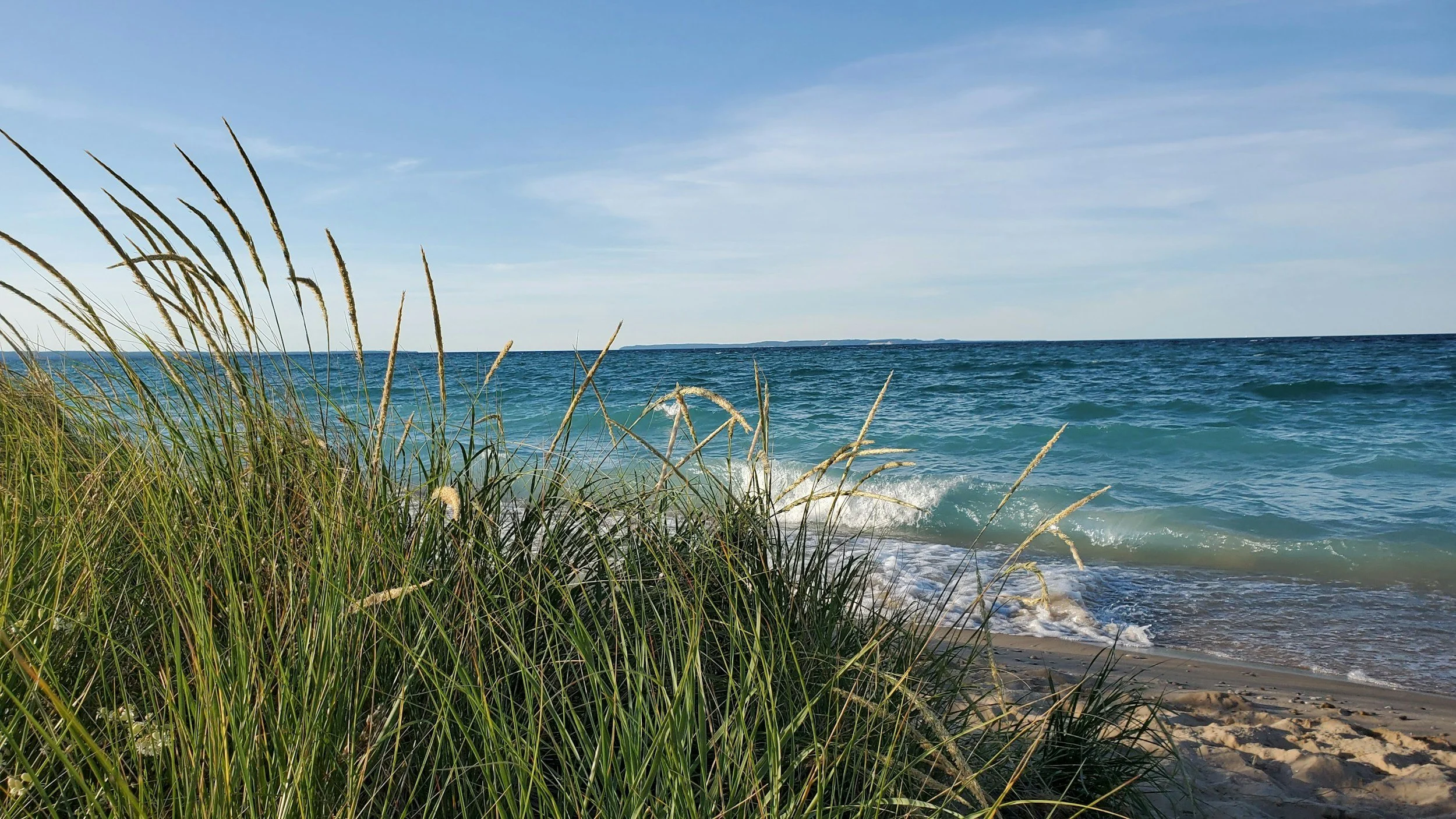
Before heading to the beach in Michigan check the safety conditions first. Hazardous weather, contamination, and other environmental hazards affecting our waterways may be reasons to change your plans.
Great Lakes Flag Warning System